

Understanding Wool and Cotton Blend Yarn: A Versatile Textile Solution
Wool and cotton blend yarn is not just another textile material on the market; it represents an innovation that meets multiple global needs in fashion, sustainability, and durability. As the textile industry faces increasing pressure to deliver eco-friendly, cost-effective products without compromising quality, this blend offers a brilliant compromise.
But why does this yarn matter globally? For starters, textiles account for a significant portion of environmental impact, and fabrics that leverage natural fibers more efficiently can help reduce carbon footprints. Furthermore, industries ranging from fashion to home textiles and industrial fabrics are constantly on the lookout for yarns that meet aesthetic demands and functional requirements. Understanding the benefits and applications of wool and cotton blend yarn helps manufacturers, designers, and even consumers make smarter choices — balancing comfort, practicality, and sustainability.
Global Context: The Industry Landscape for Wool and Cotton Blend Yarn
The global textile market is enormous — by some estimates, valued over $1.5 trillion in 2023, according to the World Bank and market analysts. Natural fibers like cotton and wool remain pivotal, despite the rise of synthetics. However, their individual limitations can be challenging: cotton is soft but less insulating, while wool is warm but can sometimes be expensive or itchy depending on quality.
Blending these fibers helps address such issues. It raises a crucial challenge the industry faces: how to optimize fiber properties for diverse climates and use cases without increasing environmental costs. According to the International Organization for Standardization (ISO), blending fibers can improve mechanical performance and lifespan of textiles. That’s partly why wool and cotton blends continue gaining traction worldwide.
What Exactly Is Wool and Cotton Blend Yarn?
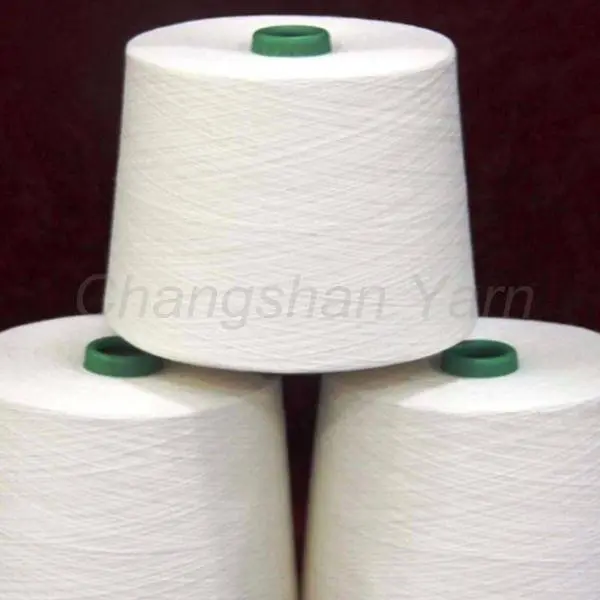
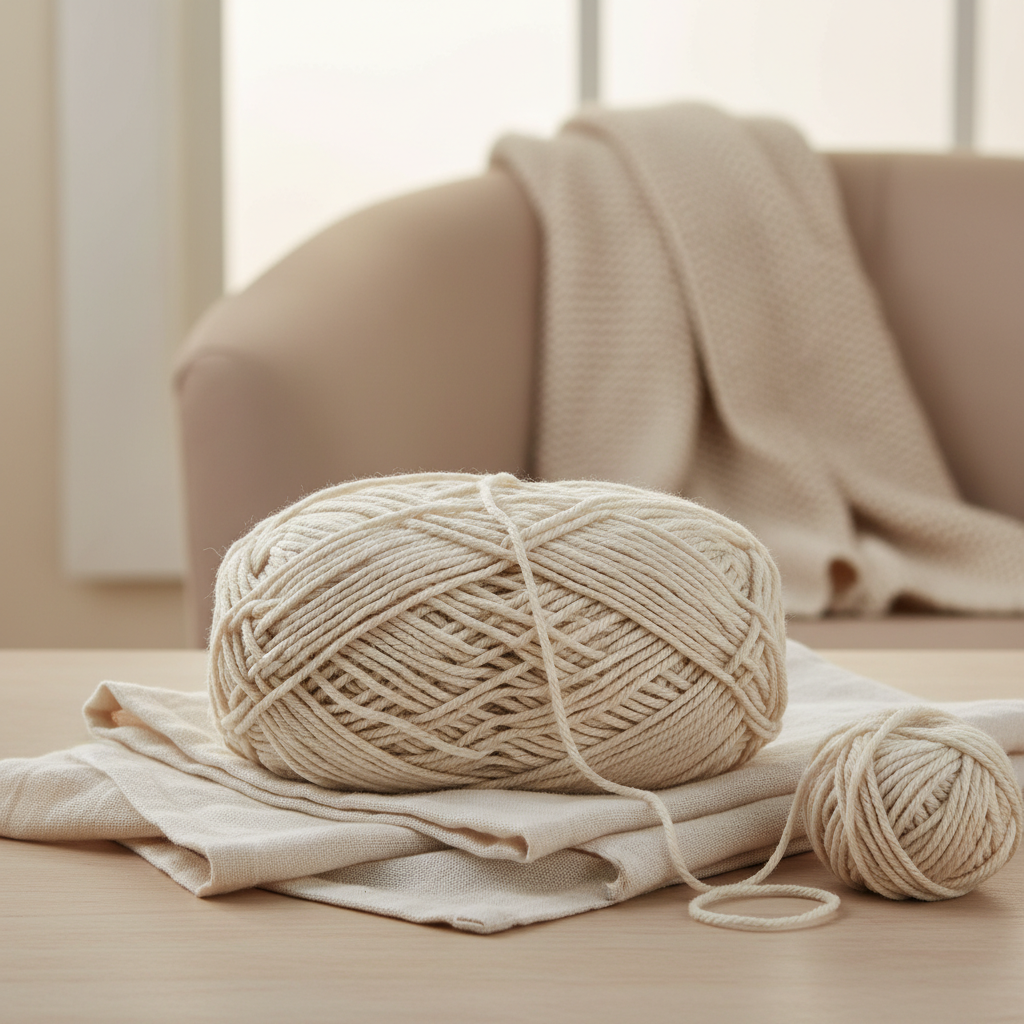
Simply put, wool and cotton blend yarn is a textile yarn made by spinning together wool fibers with cotton fibers. This fusion creates a yarn that inherits qualities from both parents — softness, moisture absorption, warmth, and breathability. From a manufacturing standpoint, the exact ratio can vary. Common blends might run from 50/50 to 70/30 or even vary more specifically depending on targeted fabric behavior.
This blend is not only valued in fashion but also plays an important role in environments where comfort and durability are critical—think humanitarian aid efforts, where clothing needs to be reliable and comfortable under difficult circumstances.
Key Components Driving Wool and Cotton Yarn’s Versatility
1. Durability
Wool’s natural elasticity combined with cotton’s toughness means textiles made from the blend resist wear and tear better. Oddly enough, this prevents premature fabric breakdown, which is crucial for applications like activewear or upholstery.
2. Comfort and Moisture Management
Cotton excels at absorbing moisture, keeping skin dry, while wool provides insulation against cold and wicks moisture away actively. Together, they provide a balanced environment for the wearer’s comfort.
3. Cost Efficiency
Wool can be expensive and resource-intensive to produce. Mixing it with cotton reduces overall cost without significantly compromising quality—making it suitable for mass-market clothing.
4. Sustainability
Both fibers are biodegradable and sourced from renewable materials. The blend typically uses less chemical processing than synthetics, thus lowering environmental impact.
5. Aesthetic Flexibility
The yarn can be dyed in vivid colors and finished to different textures, opening creative possibilities for designers.
Product Specification Table: Wool and Cotton Blend Yarn
| Specification | Details |
|---|---|
| Typical Fiber Ratio | 60% Wool / 40% Cotton (varies 50–70% wool) |
| Yarn Count | 20-40 Ne (Number English), suitable for apparel & upholstery |
| Tensile Strength | 3.5 – 4.5 N/tex |
| Moisture Regain | Wool: ~16%; Cotton: ~8% |
| Typical Uses | Garments, blankets, upholstery, uniforms |
| Environmental Aspect | Biodegradable, low chemical footprint |
Global Applications and Real-World Use Cases
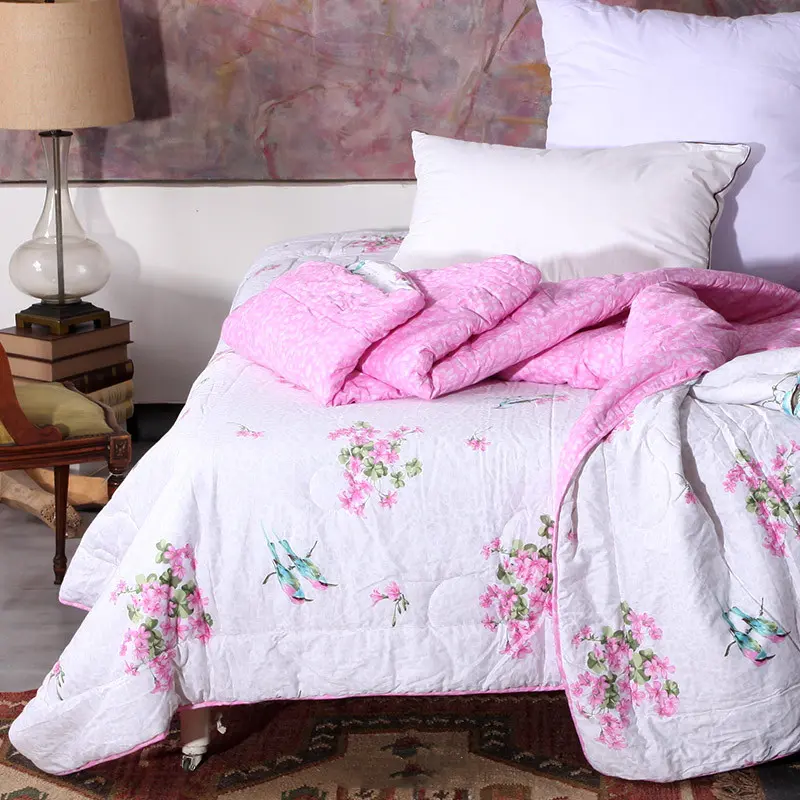
Wool and cotton blend yarn finds applications across continents and industries. In Europe, it’s often favored in luxury knitwear and traditional woolen garments where softness and warmth must coexist. In South Asia, it’s used in bed linens and upholstery due to cotton’s breathability combined with wool’s durability in varied climates.
One compelling example is its use in humanitarian aid. Relief organizations supplying clothing in colder regions often choose wool-cotton blends for their ability to insulate well yet stay comfortable under unpredictable weather. This yarn blend offers dignity and protection to displaced populations, beyond just “warm clothing.”
Manufacturers in North America and Australia also apply this blend to create sustainable workwear, where durability meets comfort — ideal for industries like farming or outdoor construction.
Vendor Comparison Table: Leading Suppliers of Wool and Cotton Blend Yarn
| Vendor | Fiber Blend Options | Sustainability Certification | Typical MOQ | Delivery Lead Time |
|---|---|---|---|---|
| Changshan Fabric Co. | 50/50, 60/40, custom blends | OEKO-TEX & GOTS | 500 kg | 3-4 weeks |
| FiberTex Ltd. | 65% Wool/35% Cotton primarily | ISO 14001 | 1,000 kg | 5 weeks |
| Natural Fibers Inc. | 40%-70% Wool blends available | GOTS certified | 300 kg | 4 weeks |
Advantages and Long-Term Value of Wool and Cotton Blend Yarn
Using this blend, brands and consumers alike enjoy a yarn that is sustainable, reliable, and emotionally resonant. It feels kind of like combining the best parts of natural fibers: the warmth of wool gives a comforting experience, and the cotton makes garments adaptable for warmer seasons and active lifestyles.
Beyond cost savings, this versatile yarn contributes to social good by encouraging biodegradable, less chemically-dependent textiles. People buying or wearing garments made from such blends often report feeling connected to a more “authentic” and ethical product, which nurtures trust between manufacturers and consumers. Frankly, it’s about more than just materials — it’s a step toward responsible fashion.
Future Trends and Innovations Affecting Wool and Cotton Blend Yarn
The textile industry is not standing still. Innovations are focusing on enhancing blend quality through biotechnology: engineered wool that resists moth damage or genetically optimized cotton for stronger fibers. Additionally, digital textile printing and smart yarns (incorporating sensors) are becoming feasible, allowing this blend to serve emerging markets like wearable tech.
Sustainability policy pushes companies to reduce carbon footprints — so expect wool-cotton blends to increasingly integrate recycled fibers or organic certifications as standards evolve. Renewable energy-powered production facilities also contribute to greener supply chains. So the future looks pretty exciting — blending tradition with cutting-edge technologies.
Challenges and Expert Solutions
Of course, the blend isn’t without limits. One challenge is ensuring consistent fiber blending at scale to avoid weak spots or texture inconsistencies. Manufacturing processes must be tightly controlled, which not every factory can manage well.
Another issue is maintaining cost competitiveness vs. synthetic blends, which are cheaper but less eco-friendly. Industry experts suggest embracing automation and near-shore manufacturing to reduce costs and improve quality control simultaneously.
Frequently Asked Questions About Wool and Cotton Blend Yarn
- What are the main benefits of wool and cotton blend yarn over 100% cotton?
The blend offers enhanced durability, better insulation (thanks to wool), and improved moisture management, delivering superior comfort and longer-lasting garments. - Is wool and cotton blend yarn environmentally friendly?
Yes, both fibers are natural, biodegradable, and sourced renewably. The blend also typically requires fewer harsh chemical treatments compared to synthetics. - Can this yarn be used for sensitive skin?
Generally yes — the cotton softens the wool’s texture, making it suitable for most people. However, very sensitive individuals should verify fiber quality and finishes. - Where can I buy high-quality wool and cotton blends?
Suppliers like Changshan Fabric Co. provide a range of blends with certifications ensuring quality and sustainability. - How do these blends perform in machine washing?
Care depends on exact fiber ratios, but many blends can be machine washed on gentle cycles. Always check garment care labels.
Conclusion: Why Wool and Cotton Blend Yarn Should Be Your Go-To Textile
In summary, wool and cotton blend yarn occupies a sweet spot in textiles — offering the warmth and durability of wool combined with the softness and breathability of cotton. Its global relevance is only climbing, especially as brands and consumers demand ethically made, sustainable products without sacrificing performance or comfort.
Interested in exploring more? Visit our website at Changshan Fabric Co. to dive deeper into our tailored wool and cotton blend yarn offerings and discover how they can elevate your textile projects.
Mini takeaway: This blend isn’t just fabric; it’s a bridge connecting sustainable innovation with everyday comfort.
References:
1. ISO Textile Standards
2. World Bank: Industry Overview
3. Wikipedia: Textile Fibre
Post time: Dec . 03, 2025 10:50

 Skin-friendly
 Versatile
 Durable
 Assured
