

Understanding Cotton Wool Blend Yarn: A Global Textile Staple
At first glance, cotton wool blend yarn might sound like a niche textile term, but its significance actually stretches across industries and borders. From everyday clothing to medical fabrics, this yarn offers unique benefits that meet modern demands for comfort, durability, and sustainability. Given the world’s evolving needs—from rising populations to environmental concerns—digging into what cotton wool blend yarn is and why it matters is more than just academic. It’s about understanding a material that quietly supports countless livelihoods and innovations worldwide.
Global Context: Why Cotton Wool Blend Yarn Matters
The global textile market, worth over $1.5 trillion in 2023 according to the Statista Textile Report, relies heavily on natural fibers like cotton. Cotton has long been a textile staple, prized for its softness and breathability, but pure cotton fabrics sometimes lack strength or stretch. Blending cotton with wool enhances versatility, offering improved characteristics that suit diverse climates and use-cases.
Interestingly enough, while cotton production is widespread, wool production is often localized to regions like Australia, New Zealand, and parts of Europe—this geographic complementarity has fostered innovative yarn blends. Moreover, organizations such as the International Organization for Standardization (ISO) have emphasized textile blends for their role in combining performance and sustainability. So, cotton wool blend yarn helps solve the classic textile dilemma: balancing comfort, durability, and eco-consciousness.
What Exactly is Cotton Wool Blend Yarn?
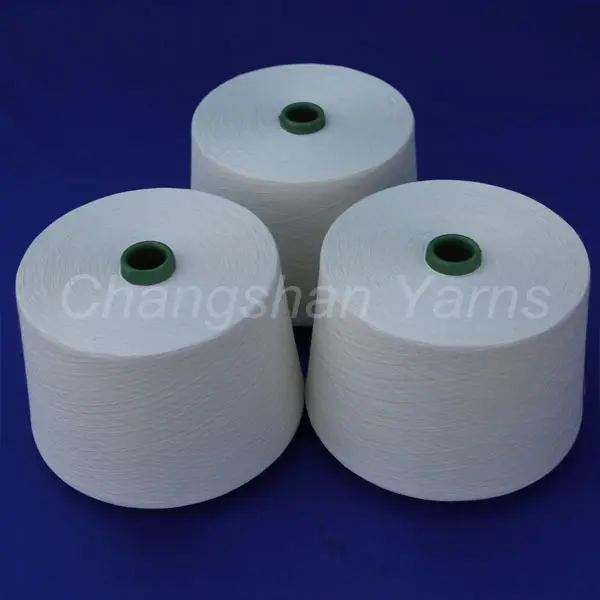
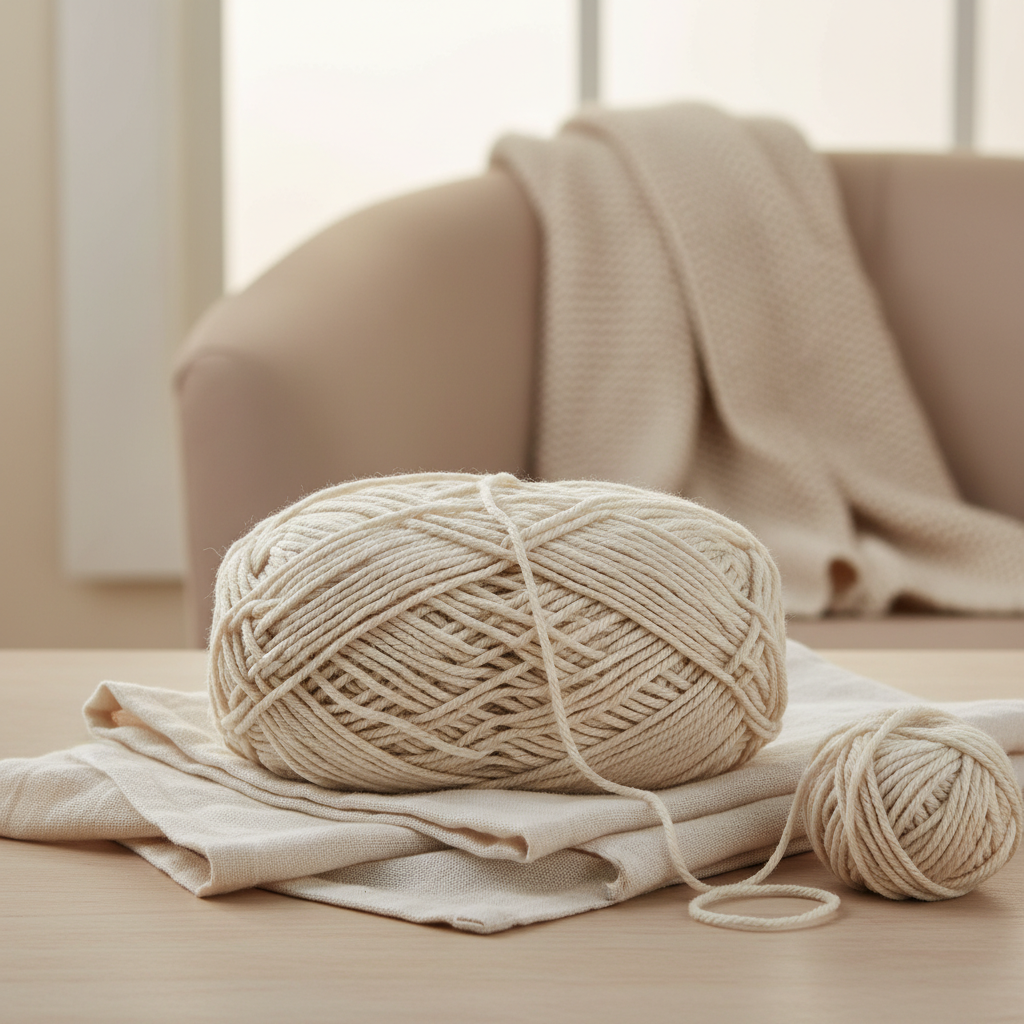
Simply put, cotton wool blend yarn is a spun thread combining cotton fibers with wool fibers. The proportion varies depending on the intended use—anything from 70% cotton/30% wool up to a 50/50 mix. The cotton offers breathability and softness, while the wool adds warmth, elasticity, and moisture-wicking properties.
In humanitarian and industrial contexts, this blend creates textiles that adapt to different environments—think clothing that keeps people warm without overheating, or medical gauze that ensures sterility yet remains comfortable. So, beyond fashion, cotton wool blend yarn supports essential practical needs globally.
Key Characteristics of Cotton Wool Blend Yarn
1. Durability
Blending wool into cotton yarn enhances tensile strength and abrasion resistance. This means garments and fabrics last longer without pilling or tearing easily, a critical factor in industries where durability translates directly into cost savings.
2. Thermal Regulation
Unlike pure cotton, which can trap heat, wool fibers naturally regulate temperature by trapping air pockets. This makes blends ideal for all-season wear or for layered industrial textiles where thermal comfort is crucial.
3. Moisture Management
Wool’s ability to absorb moisture without feeling wet complements cotton’s moisture-wicking nature, ensuring that fabrics stay comfortable even during prolonged wear or physical activity.
4. Cost Efficiency
Pure wool can be pricey and occasionally irritating to sensitive skin. Mixing it with cotton lowers production costs while making fabrics softer and more affordable without compromising performance.
5. Sustainability
Since both cotton and wool are natural fibers, their blends often feature better biodegradability than synthetic alternatives. Innovations in organic cotton and sustainably farmed wool also help reduce environmental footprints.
Typical Product Specifications of Cotton Wool Blend Yarn
| Specification | Description |
|---|---|
| Fiber Composition | Common ratios range from 70% cotton/30% wool to 50/50 blend |
| Yarn Thickness | Typically between 10 to 25 Tex, adaptable based on application |
| Twist Direction | S or Z twist depending on mechanical strength needs |
| Finish Options | Mercerizing, dyeing—including eco-friendly reactive dyes |
Global Applications & Use Cases
It turns out cotton wool blend yarn plays a quiet but pivotal role worldwide:
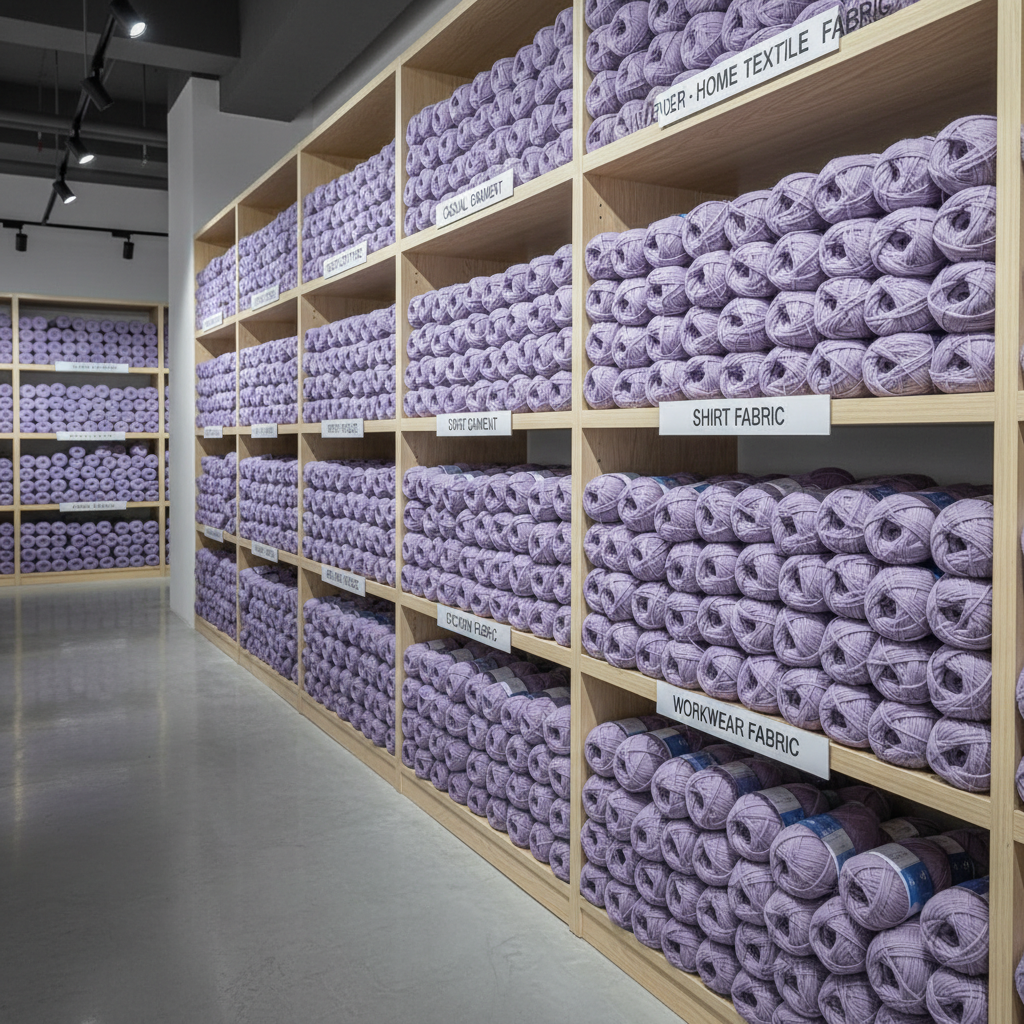
- Textile Garments: Fall and winter apparel brands rely on these blends for comfort and resilience, particularly in Europe and North America.
- Medical Textiles: Hospitals use cotton wool blend fabrics for bandages and surgical gowns benefitting from the yarn’s softness and airflow.
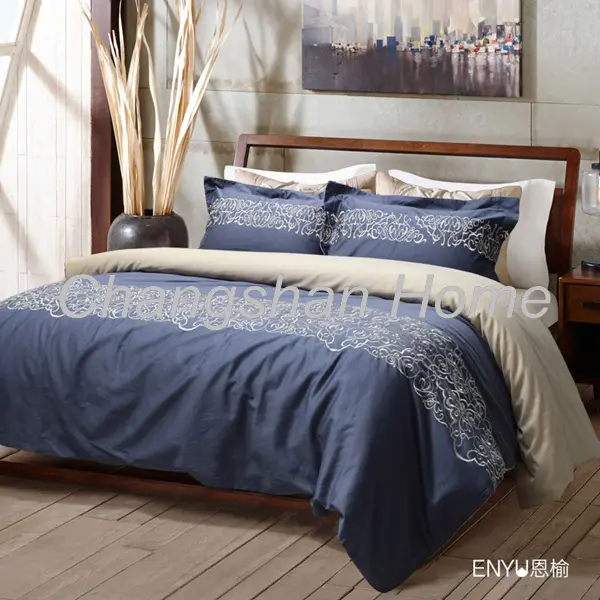
- Home Furnishing: Upholstery, throws, and blankets incorporate this blend for warmth and longevity.
- Disaster Relief: Organizations providing durable garments and blankets in harsh climates (e.g., the UN’s refugee aid programs) often choose blends for their adaptability and cost-effectiveness.
- Industrial Workwear: In remote or cold industrial zones (like northern mining sites), cotton wool blends deliver thermal comfort without bulk.
For a practical example, cotton wool blend yarn is used by several NGOs to supply refugee camps with clothing that balances durability with comfort — a real lifesaver in arduous conditions.
Comparing Key Vendors of Cotton Wool Blend Yarn
| Vendor | Quality Grade | Price Range (per kg) | Sustainability Certification | Lead Time |
|---|---|---|---|---|
| Changshan Textile Co. | Premium | $15 - $18 | OEKO-TEX Standard 100 | 2-3 Weeks |
| Global Fibers Ltd. | Mid-Range | $12 - $15 | GRS Certified | 3-4 Weeks |
| EcoWeave Corp. | Eco-Friendly | $17 - $20 | Global Organic Textile Standard (GOTS) | 4-5 Weeks |
Advantages and Long-Term Value
If you stop to think about it, cotton wool blend yarn embodies a smart balance of both worlds. Its cost-effectiveness means manufacturers can produce affordable yet quality textiles. This link between price and performance is crucial for consumers in developing regions, where budgets are tight but quality cannot be compromised.
Furthermore, sustainability drives innovation here. Compared to synthetic yarns, cotton and wool decomposing naturally reduces landfill waste significantly, a growing concern highlighted in UN Environment Programme reports. On a social note, products made with this yarn offer a certain dignity — it feels gentle against skin, warm when needed, and reliable through wear. That trust creates loyalty.
Future Trends and Innovations
Oddly enough, we’re seeing a renaissance in natural fiber blending, propelled by digital textile printing, nanotechnology treatments, and sustainable agricultural advances. “Smart” cotton wool blends may soon include conductive fibers, enabling health monitoring clothes or interactive uniforms.
Additionally, manufacturers are increasingly adopting fully traceable supply chains to ensure ethical wool and organic cotton sources. Automation in spinning and blending processes promises reduced waste and better quality consistency. So, while it might sound traditional, cotton wool blend yarn is quietly riding the wave of 21st-century innovation.
Challenges and Expert Solutions
Of course, challenges remain. Wool is susceptible to shrinkage and can cause allergic reactions in some users. Maintaining the ideal fiber ratio while achieving mass production scale isn’t straightforward. But many textile engineers suggest enzyme treatments and anti-pilling finishes as partial answers. Also, educating consumers on care instructions prolongs product lifespan significantly.
Ultimately, transparency and R&D investments help overcome challenges — a hopeful sign for the yarn’s future.
FAQs About Cotton Wool Blend Yarn
- What are the main advantages of cotton wool blend yarn over pure cotton yarn?
- Blended yarns combine cotton’s breathability with wool’s warmth and elasticity. They tend to be more durable, moisture-resistant, and suitable for varied climates, which pure cotton might struggle with alone.
- Is cotton wool blend yarn suitable for sensitive skin?
- Generally yes, especially if cotton dominates the blend. However, some people sensitive to wool may experience mild irritation; hypoallergenic finishing treatments can mitigate this risk.
- How eco-friendly is cotton wool blend yarn compared to synthetics?
- Both cotton and wool are biodegradable natural fibers, so blends have a lower environmental impact than polyester or nylon. When sourced sustainably, their eco footprint reduces even further.
- Can cotton wool blend yarn be machine washed safely?
- Yes, but care varies with blend ratios and finishes. Usually, cold wash and gentle cycles prevent shrinkage or fiber damage. Always check manufacturer instructions.
- How do manufacturers vary cotton wool yarn blends for different uses?
- By adjusting fiber ratios, twist levels, and finishing methods, manufacturers tailor yarn thickness, elasticity, and texture to suit apparel, medical textiles, or industrial applications.
Conclusion
Cotton wool blend yarn is more than just a thread—it's a flexible, sustainable solution quietly supporting multiple sectors worldwide. Whether in fashion, healthcare, or disaster relief, its combination of comfort, durability, and eco-consciousness is just too good to ignore. If you want to explore this yarn further or source premium blends directly from experienced manufacturers, I encourage you to visit Changshan Fabric. Dive into the possibilities — it’s worth your time.
Mini takeaway: Cotton wool blend yarn stands at the crossroads of tradition and innovation, offering practical benefits that meet both modern demands and timeless needs.
References
Post time: Dec . 03, 2025 10:32



 Skin-friendly
 Versatile
 Durable
 Assured
