

Exploring the World of Handspun Cotton Yarn
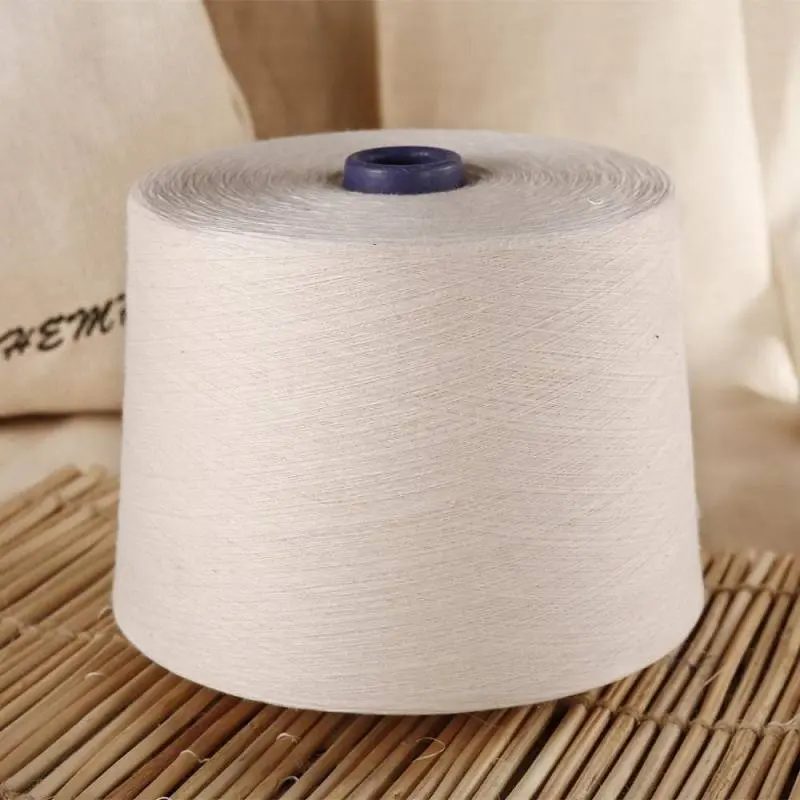
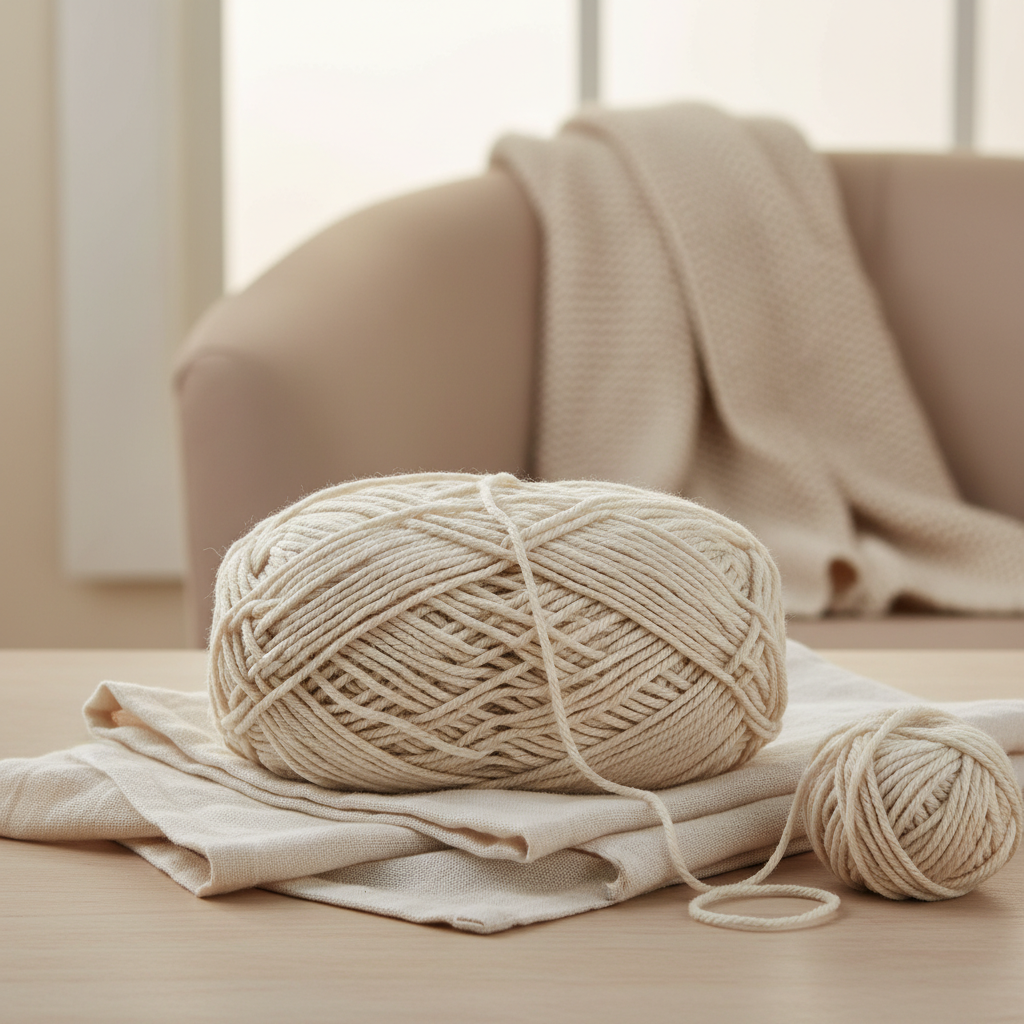
Handspun cotton yarn represents a beautiful and sustainable tradition in textile creation. Unlike mass-produced yarns, handspun yarn possesses a unique character, texture, and warmth that appeals to knitters, weavers, and crafters who value authenticity and artisanal quality. This article will delve into the fascinating world of handspun cotton yarn, exploring its benefits, production methods, uses, and why it's experiencing a resurgence in popularity. We'll also look at what sets Changshan Fabric apart as a provider of quality cotton products.
What Makes Handspun Cotton Yarn Special?
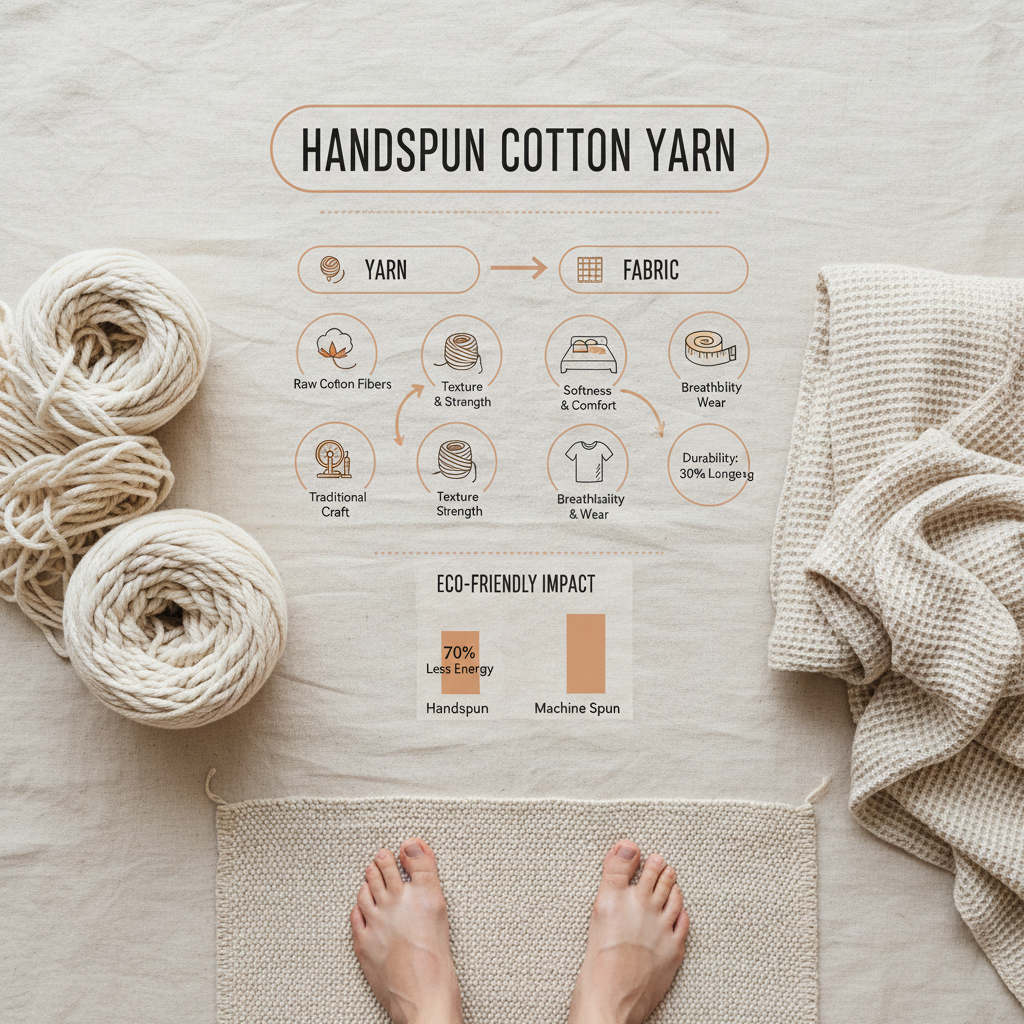
The charm of handspun cotton yarn lies in its imperfections. Each skein is unique, carrying the imprint of the spinner’s hand and the gentle rhythm of the spinning wheel. This contrasts sharply with the uniformity of commercially produced yarns. The process creates a yarn with a softer halo, a more organic feel, and often, more air which provides increased warmth and loft. The slight variations in thickness add texture and depth to finished projects. Furthermore, supporting handspun yarn producers promotes sustainable and ethical practices within the textile industry.
Key Benefits: Unique texture and character, supports sustainable practices, softer feel, increased warmth, and ethical production.
The Handspinning Process: From Cotton to Yarn
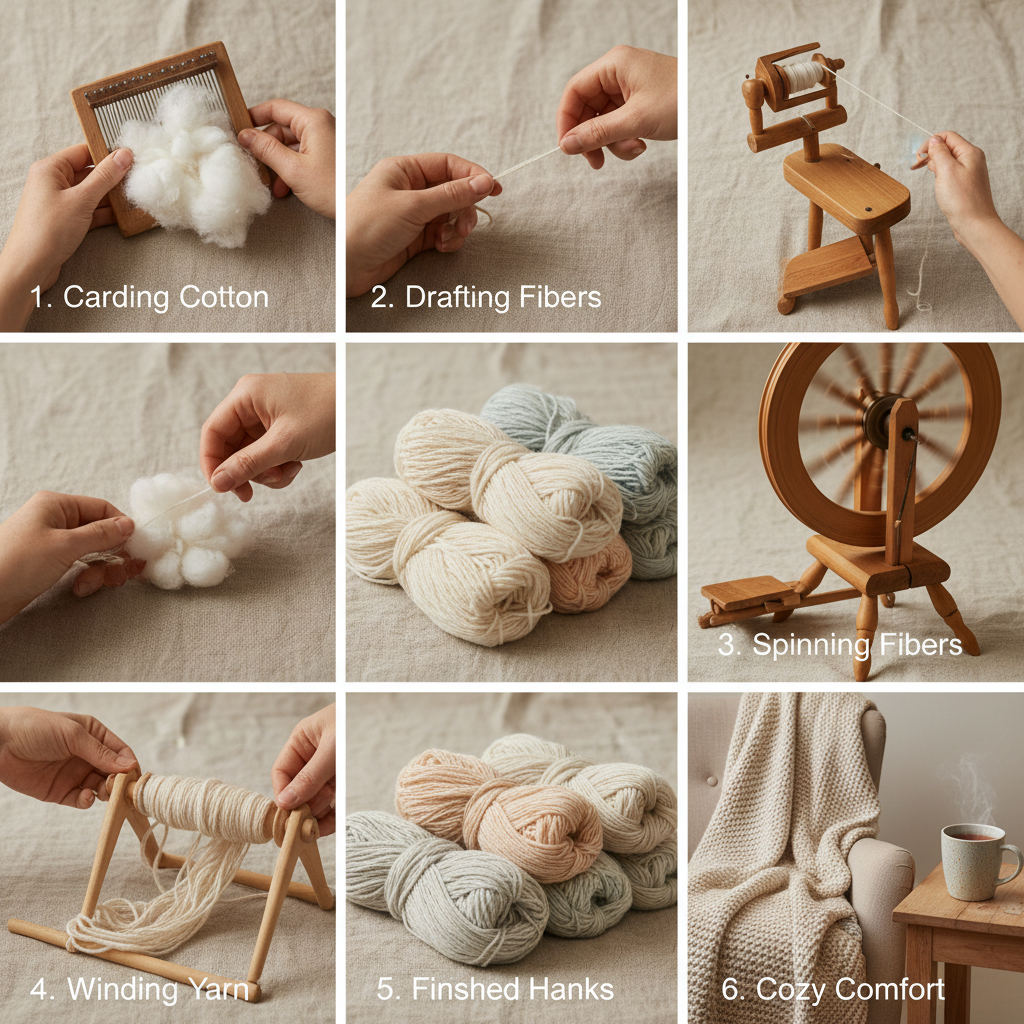
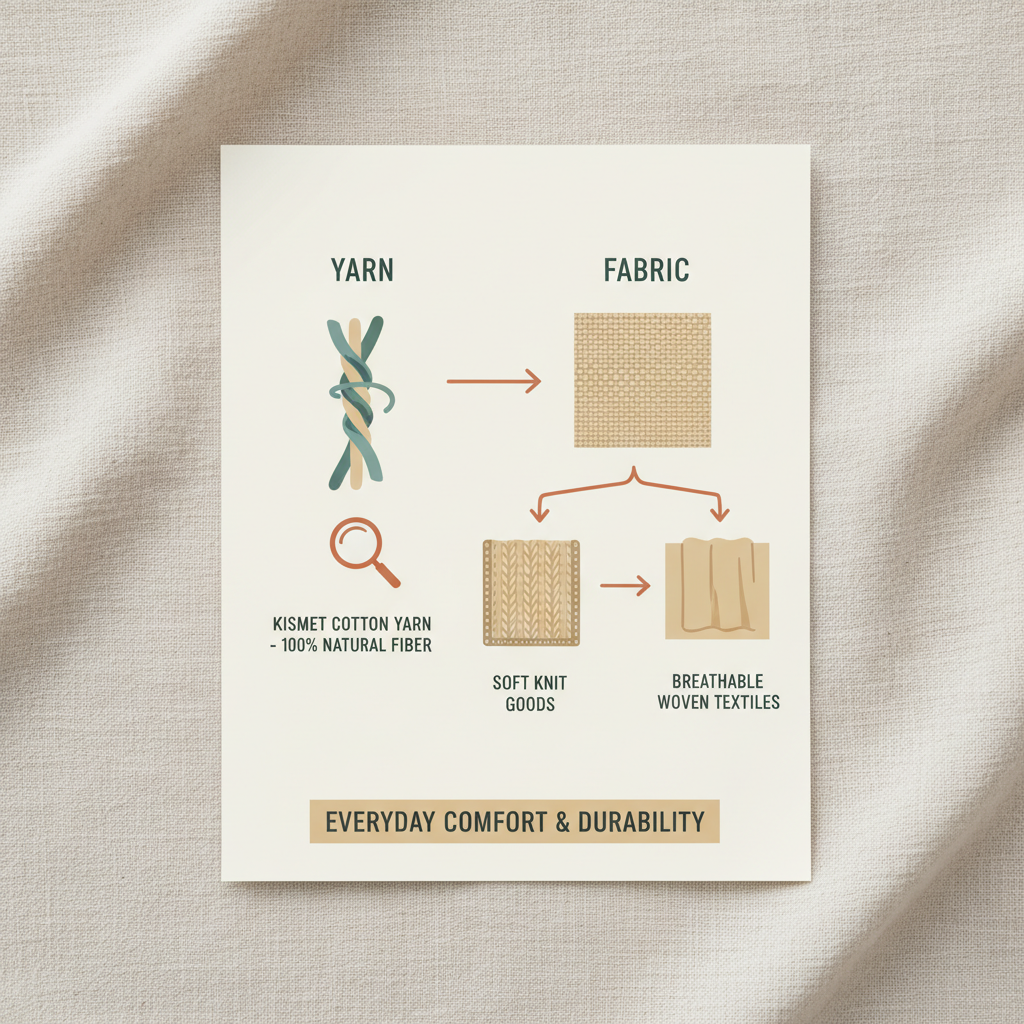
The journey from raw cotton to beautiful handspun cotton yarn is a labor of love. It begins with preparing the cotton fibers – cleaning, carding, and sometimes combing to align them. The carding process separates and untangles the fibers, creating a fluffy "rolag" or "top" ready for spinning. Then, using a spinning wheel or spindle, the spinner draws out the fibers and twists them together to create a continuous strand. The twist provides strength and cohesion. Finally, the yarn is wound onto a bobbin or spool. This time-honored craft requires skill, patience, and a deep connection to the materials.
Handspinning Steps:
• Cleaning and Carding Cotton Fibers
• Creating a Rolag or Top
• Drawing and Twisting Fibers
• Winding the Yarn
Handspun Cotton Yarn vs. Commercial Cotton Yarn: A Comparison
The differences between handspun cotton yarn and commercially produced cotton yarn are significant. Commercial yarn prioritizes consistency and speed of production, often resulting in a smoother, more uniform product. Handspun yarn emphasizes individuality and the natural qualities of the fiber. Below is a table outlining key differences:
Uses for Handspun Cotton Yarn
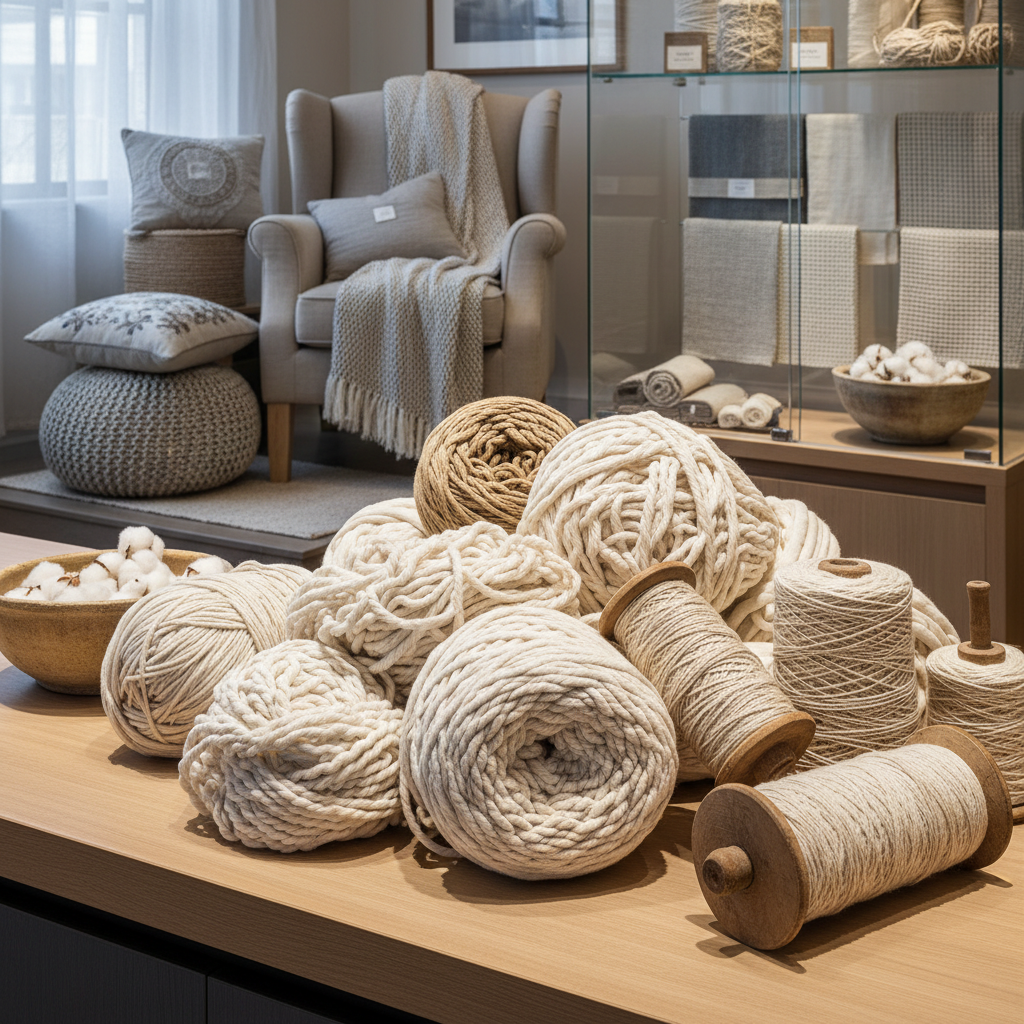
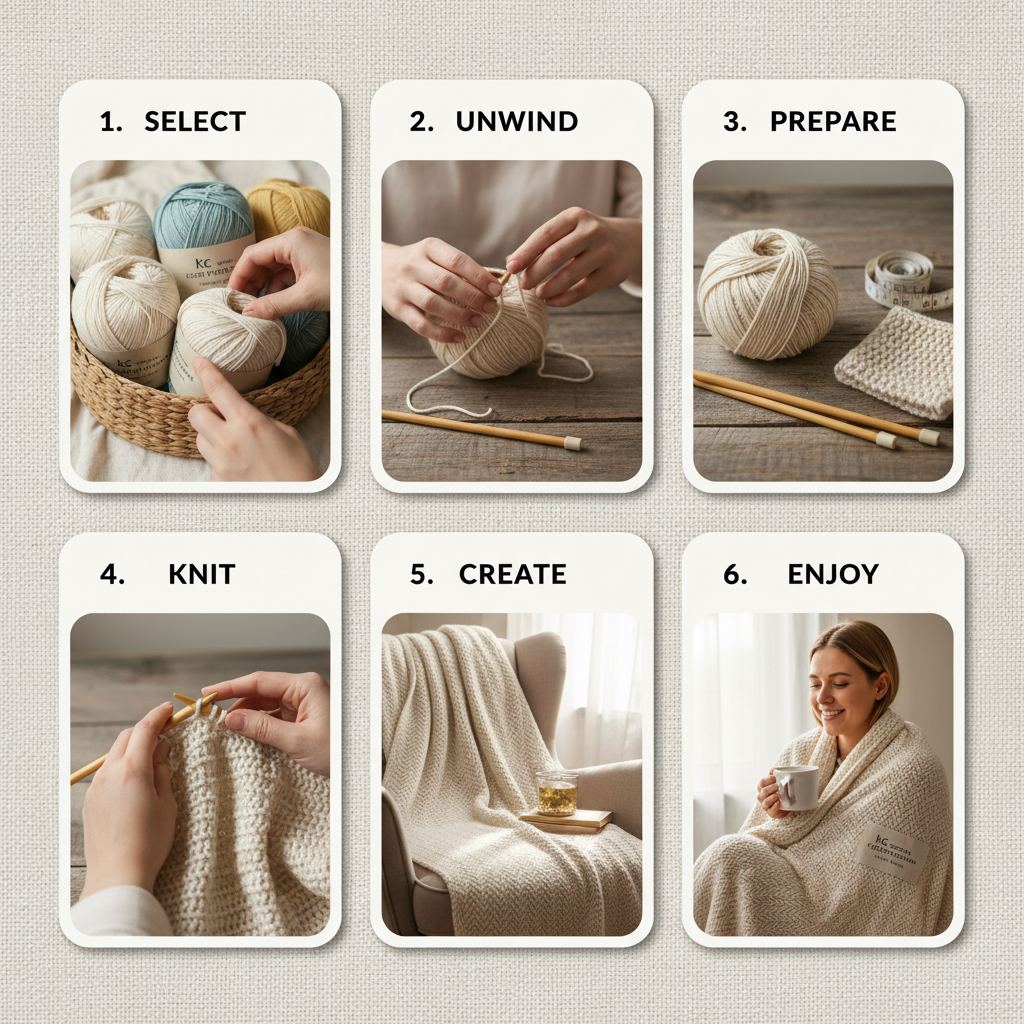
The versatility of handspun cotton yarn makes it ideal for a wide range of projects. It's popular for knitting sweaters, shawls, and accessories, creating garments with a unique and cozy feel. Weavers use it to create beautiful and textured fabrics for clothing, home décor, and art pieces. Crocheters appreciate its unique stitch definition and drape. Beyond apparel, handspun cotton yarn is also used for embellishments, macramé, and other fiber arts.
Where to Source High-Quality Handspun Cotton Yarn
When seeking handspun cotton yarn, quality and ethical sourcing are paramount. Look for yarns from reputable spinners who prioritize sustainable practices and fair wages. Changshan Fabric offers a curated selection of premium cotton products, connecting you with the best that the textile industry has to offer. We are committed to providing high-quality materials and supporting sustainable practices.
Conclusion: Embrace the Beauty of Handspun Cotton
Embrace the charm and artistry of handspun cotton yarn. Its unique texture, sustainable production, and connection to tradition make it a rewarding choice for any fiber artist. Choose quality, support ethical practices, and enjoy the magic of creating with yarn spun with love and care.
Frequently Asked Questions (FAQs)
What is the best way to care for handspun cotton yarn items?
Handspun cotton items typically require gentle care. Hand washing in cool water with a mild detergent is recommended. Avoid harsh chemicals, bleach, and fabric softeners. To dry, lay the item flat on a clean towel, reshaping it as needed. Avoid wringing or twisting. While some handspun items can be machine washed on a delicate cycle, hand washing is always the safest option. Proper care will help maintain the yarn's texture and integrity for years to come.
Can I dye handspun cotton yarn myself?
Yes, you can dye handspun cotton yarn, but it requires more care than dyeing commercially produced yarn. Due to the variations in twist and fiber alignment, the dye uptake may not be perfectly even. It’s recommended to use fiber-reactive dyes and follow the dye manufacturer’s instructions carefully. Consider doing a test swatch first to ensure you achieve the desired color and evenness.
What weight of handspun cotton yarn is best for beginners?
A medium weight (worsted or DK) handspun cotton yarn is a good choice for beginners. It's easier to work with than very fine or bulky yarns. The more consistent thickness of a medium weight yarn will help you achieve a neater finish. As you gain experience, you can experiment with different weights and textures. You can find a wide range of cotton yarn weights at Changshan Fabric.
Is handspun cotton yarn suitable for baby items?
Yes, handspun cotton yarn can be suitable for baby items, but it's important to choose a soft, well-washed yarn. Ensure the yarn is free of any harsh chemicals or dyes. A gentle wash will help to soften the fibers and make them more comfortable against a baby’s delicate skin. Consider using a larger hook or needles to create a looser fabric, allowing for better airflow and comfort.
Post time: Mar . 07, 2026 02:45
 Skin-friendly
 Versatile
 Durable
 Assured
