

Why bulky 100 cotton yarn still matters in industrial textile production
Having spent a fair share of years knee-deep in mills and mills of textile machinery, I have learned to appreciate what might seem simple at first glance—like bulky 100% cotton yarn. It’s one of those materials that never quite goes out of style, yet it quietly adapts and persists as an industrial workhorse. Oddly enough, even in an age flooded with synthetic blends, bulky cotton yarns keep their charm, particularly in heavy-duty applications where softness and durability need to meet.
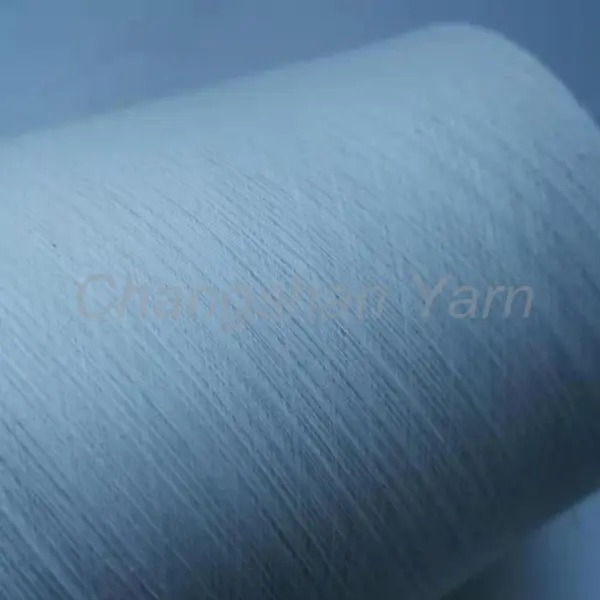
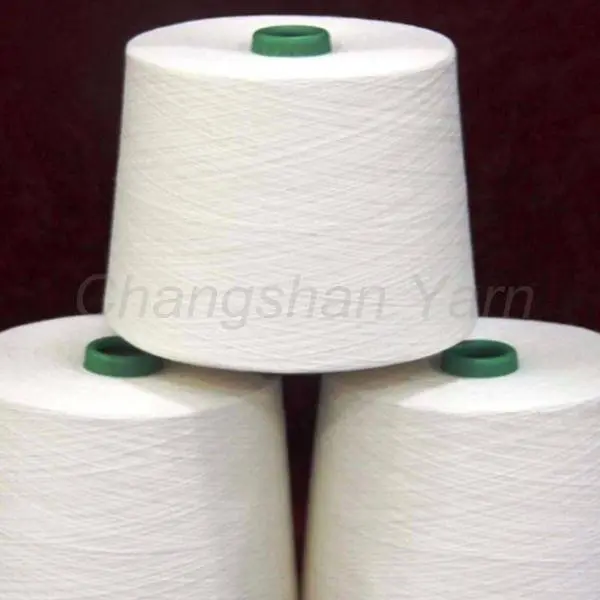
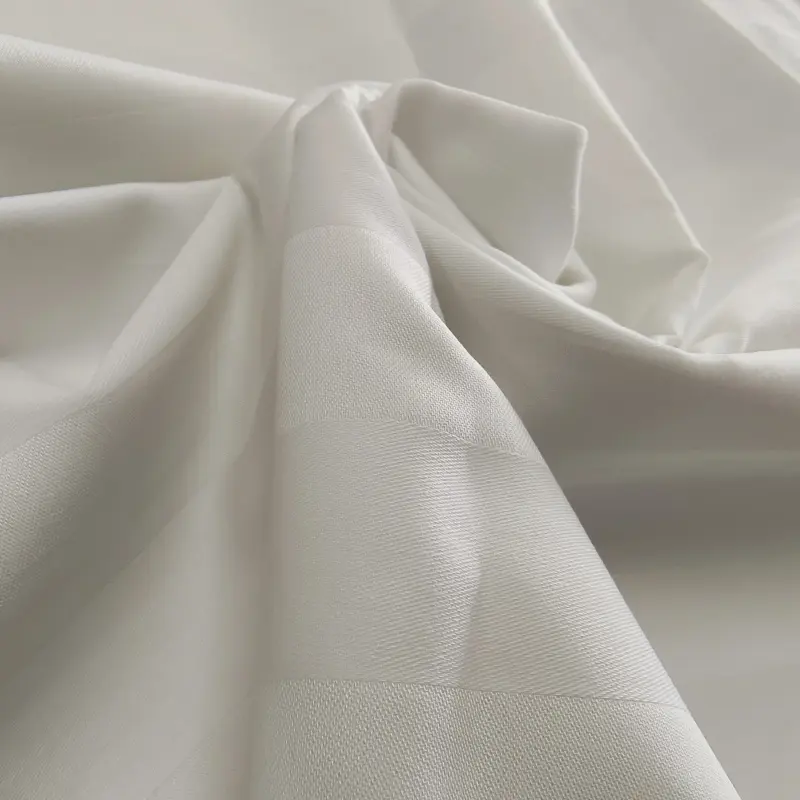
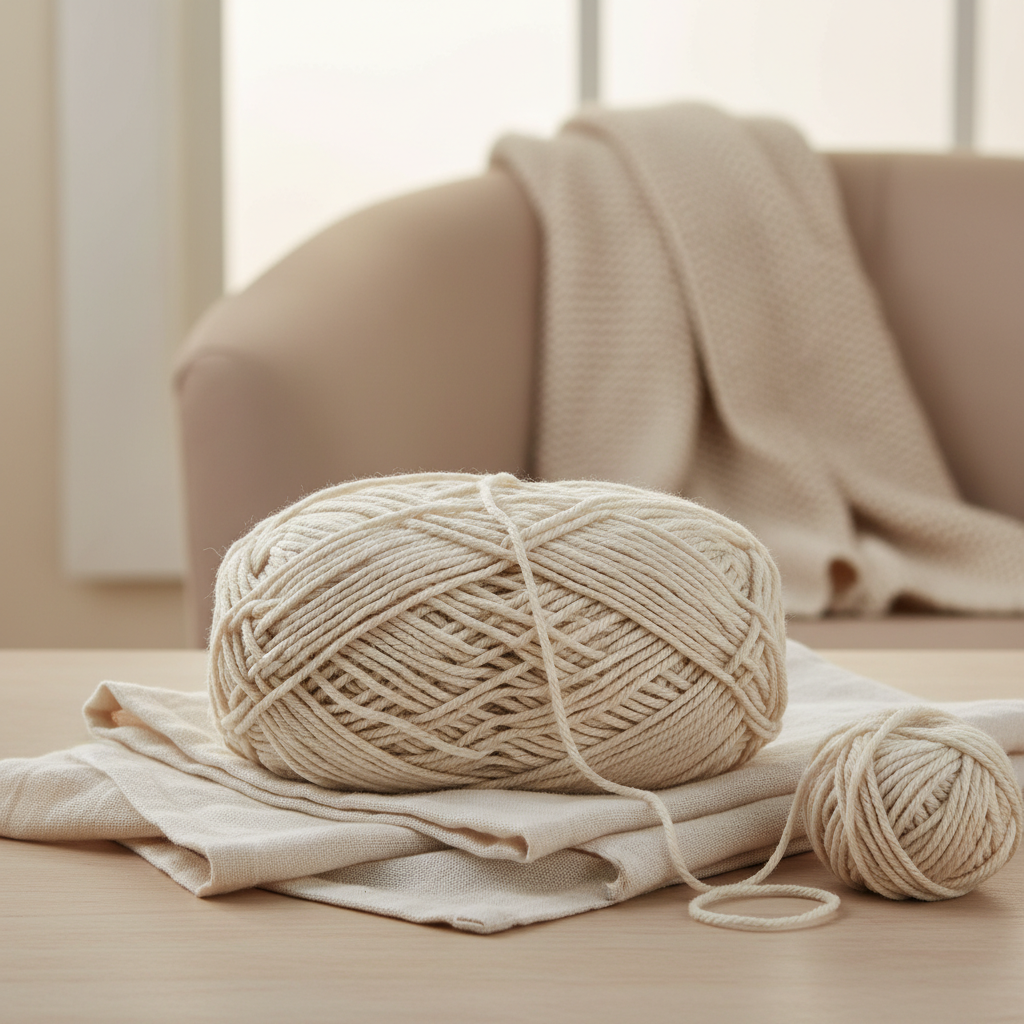
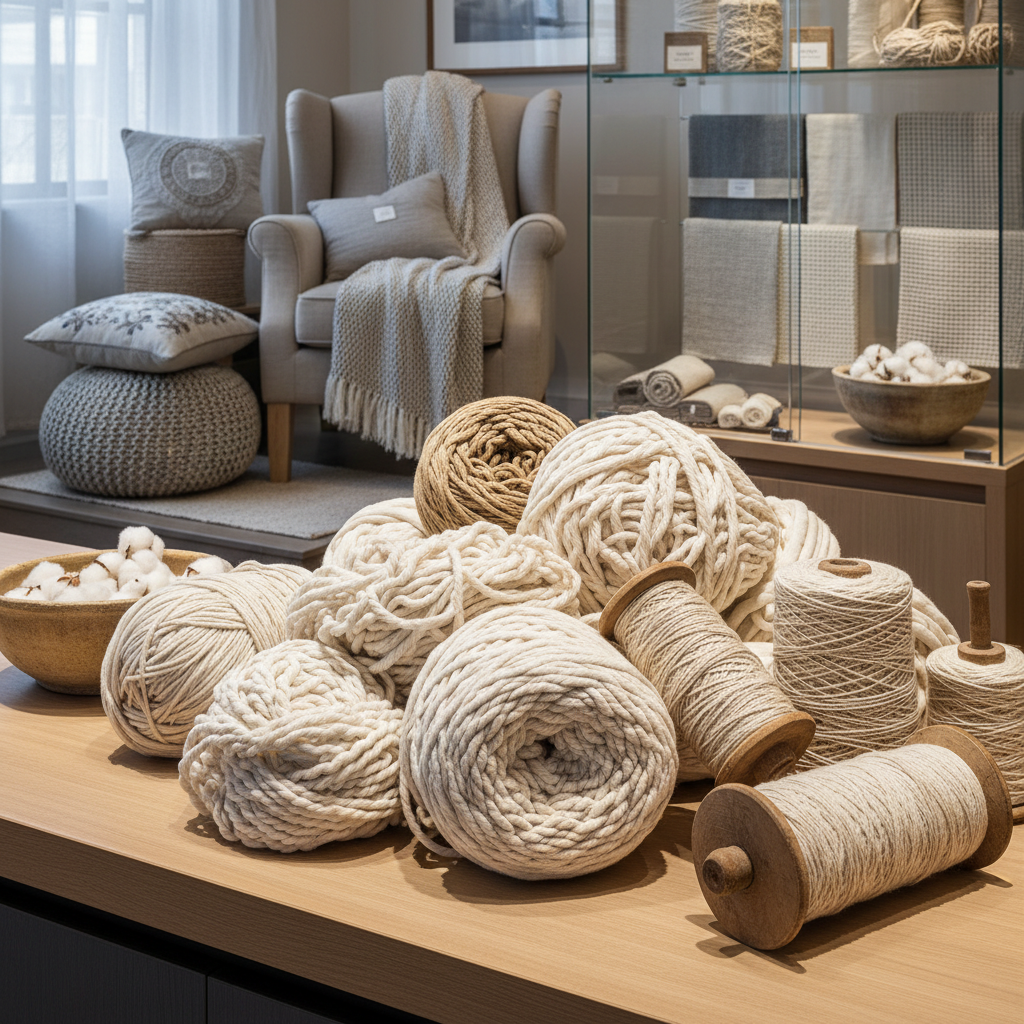
In real terms, bulky 100 cotton yarn refers to a thicker-than-usual yarn made completely from cotton fibers, typically spun to retain that lofty, cushioned hand feel. It’s not just fluff; this bulky yarn gives fabric a distinct texture, breathability, and resilience. I noticed many engineers, especially in the home textile and upholstery sectors, swear by these yarns for their balance of comfort and toughness. Frankly, when you handle them on the production floor, there’s a reassuring heft that signals quality right away.
These yarns handle dyeing well, too, a critical factor for product designers who want vivid colors without sacrificing the natural feel. Plus, with sustainability climbing the priority list in industrial sectors, 100% cotton—especially when sourced responsibly—tends to score well with clients looking for greener alternatives.
Key Product Specifications of Bulky 100 Cotton Yarn
| Specification | Details |
|---|---|
| Material | 100% Cotton (Combed or Carded) |
| Yarn Count | Ne 10s to 20s (Bulky Thickness) |
| Twist | Medium to High (to maintain structure) |
| Strength | >3.5 cN/tex (robust for heavy textiles) |
| Moisture Regain | 7-8% (natural cotton moisture) |
| Color Options | Natural, Dyed (Customizable) |
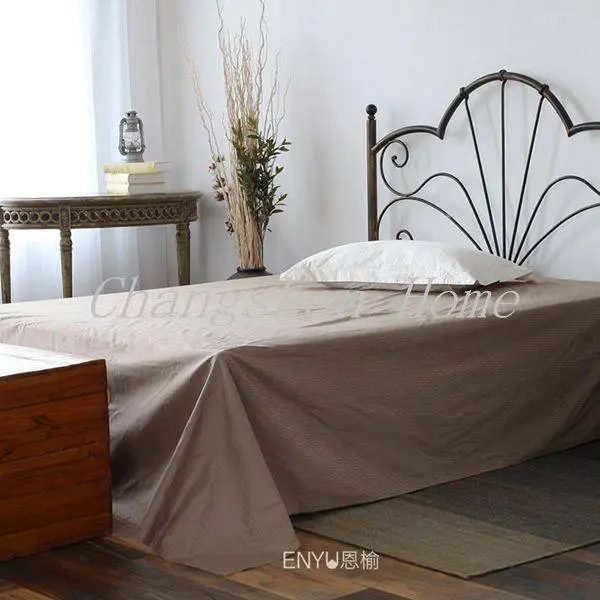
| Applications | Home textiles, Sweaters, Upholstery, Towels |
You know, one thing that’s often overlooked is how the source of the cotton fiber can influence the yarn’s performance. Long staple cottons, for example, yield stronger, finer fibers, which when spun bulky can give that luxurious softness without sacrificing durability. It reminds me of a client I worked with a few years back — they switched to a bulky 100 cotton yarn from a local mill specializing in organic cotton. The difference in their upholstery lines was palpable; customers noticed immediately, and frankly, it boosted sales.
Comparing Leading Vendors of Bulky 100 Cotton Yarn
| Vendor | Cotton Source | Customization | MOQ | Price Range (per kg) |
|---|---|---|---|---|
| Changshan Fabric | Locally Sourced Long Staple | Color & Count Customization | 500 kg | $5.50 - $7.00 |
| Eastern Cotton Co. | Imported Egyptian Cotton | Limited Custom Options | 1000 kg | $6.00 - $7.50 |
| Global Textiles Ltd. | Mixed Origins | Standard Product Lines | 300 kg | $5.00 - $6.50 |
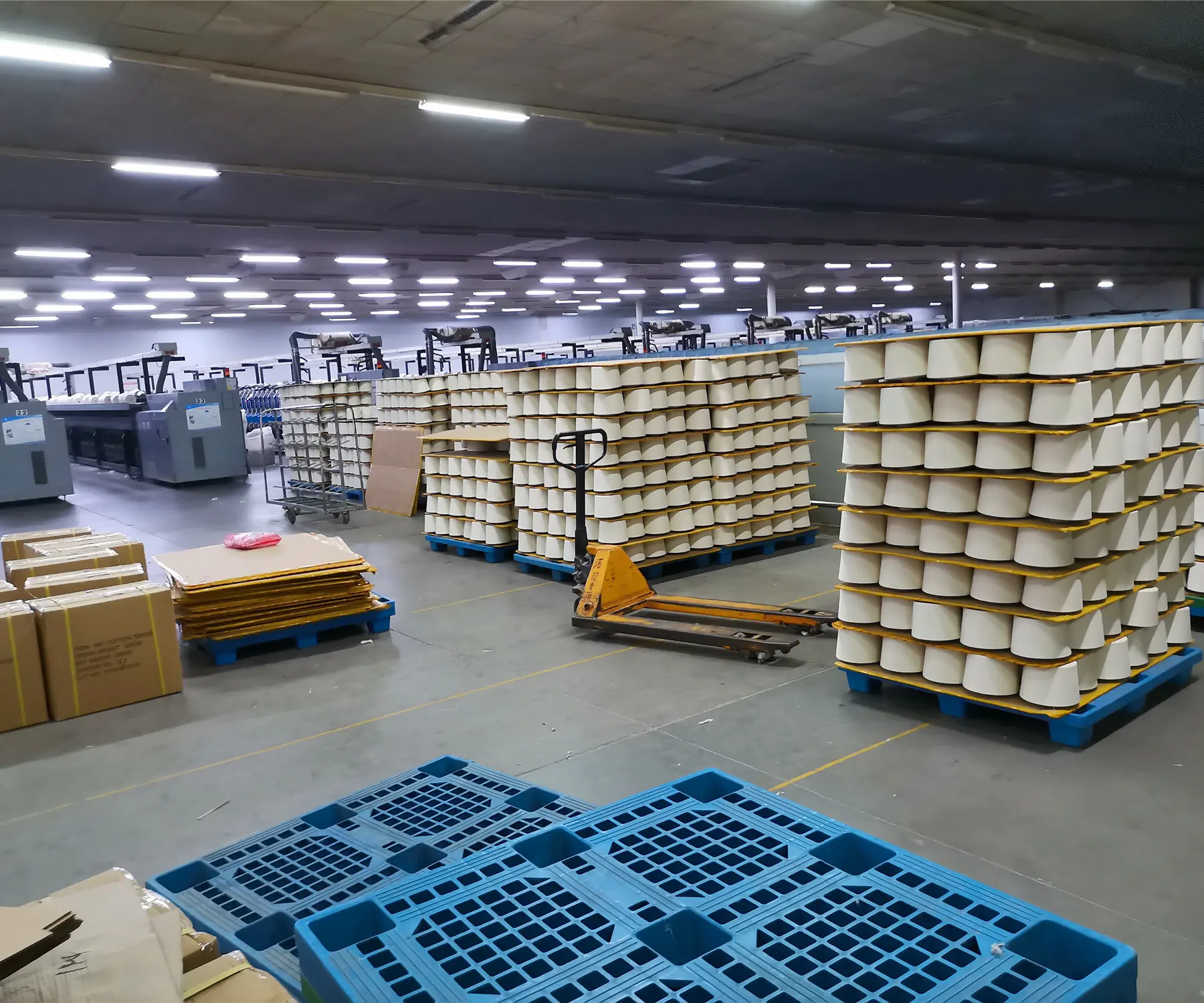
While price is often a big factor, I found that the blend of consistent quality and reliable customization often seals the deal. Changshan Fabric, for example, really understands the sector's needs. They offer that sweet spot between flexibility and dependable supply. I suppose that’s why their bulky 100% cotton yarn remains a staple for a lot of medium-to-large scale manufacturers. Their willingness to customize counts and colors is a huge plus, especially when designers want something unique without a massive minimum order.
All in all, bulky 100 cotton yarn stands out as a versatile, trustworthy material that balances the natural benefits of cotton with an appealing texture and durability. Whether you’re spinning it for cozy knitwear or heavy-duty upholstery, it’s the kind of product where you feel the craftsmanship behind it—even before the final fabric hits the cutting table.
So, if you’re considering a new supply for your textile production line, it’s worth taking a close look at bulky 100 cotton yarn. Frankly, the quality and options available nowadays make it much easier to meet customer specs and environmental expectations together.
A quick takeaway: trust the cotton that’s bulky but thoughtfully spun—it makes all the difference in the final product’s feel and longevity.
References:
1. Textile World Magazine, “The Revival of Natural Fibers” (2023)
2. Cotton Board Industry Data (2022)
3. Personal experience from over a decade in textile sourcing and manufacturing
Post time: Jan . 03, 2026 01:55

 Skin-friendly
 Versatile
 Durable
 Assured
