

All You Need to Know About Cotton Polyester Yarn
If you’ve ever wondered what makes many of your clothes, upholstery, or industrial fabrics last just a bit longer and feel just a bit better, then cotton polyester yarn probably deserves a spot on your radar. This hybrid fiber blend isn’t just a textile industry buzzword — it’s a vital material shaping our global fabric economy, sustainability efforts, and even humanitarian aid.
Understanding cotton polyester yarn means diving into a topic that connects the everyday warmth of cotton with the robust durability of polyester, resulting in materials that are versatile, cost-effective, and globally relevant. Let’s unravel this blend, its importance, and what it means for industries and consumers alike.
Global Context: Why Cotton Polyester Yarn Matters
It might surprise you how deeply entwined cotton polyester yarn is with the world’s textile industry and economies. According to the International Textile Manufacturers Federation, blended yarns represent over 60% of total textile consumption worldwide, with cotton polyester blends accounting for a major share. The United Nations Environment Programme has also highlighted blended fibers as crucial players in sustainable textile manufacturing — balancing the renewable nature of cotton with polyester's lasting strength.
Yet this blend also addresses a bigger challenge: how to create robust, affordable fabrics in a world that demands both quality and sustainability. Cotton alone, while soft and breathable, can be prone to wrinkles and wear. Polyester alone feels synthetic and less comfortable. Blended yarn offers a sweet middle ground.
What Exactly is Cotton Polyester Yarn?
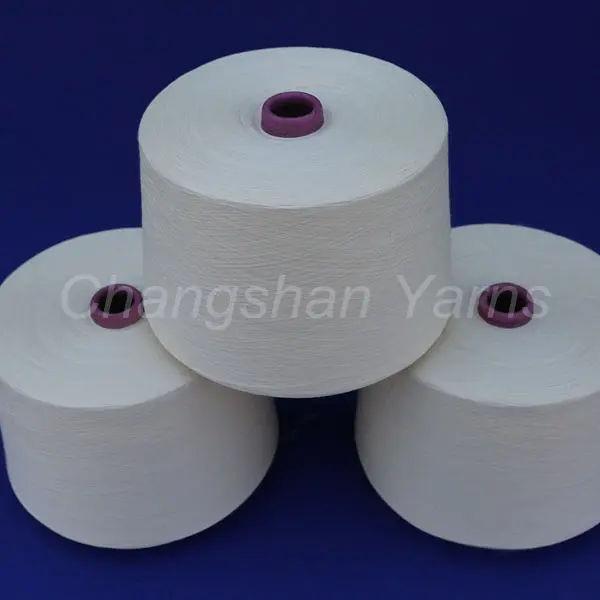
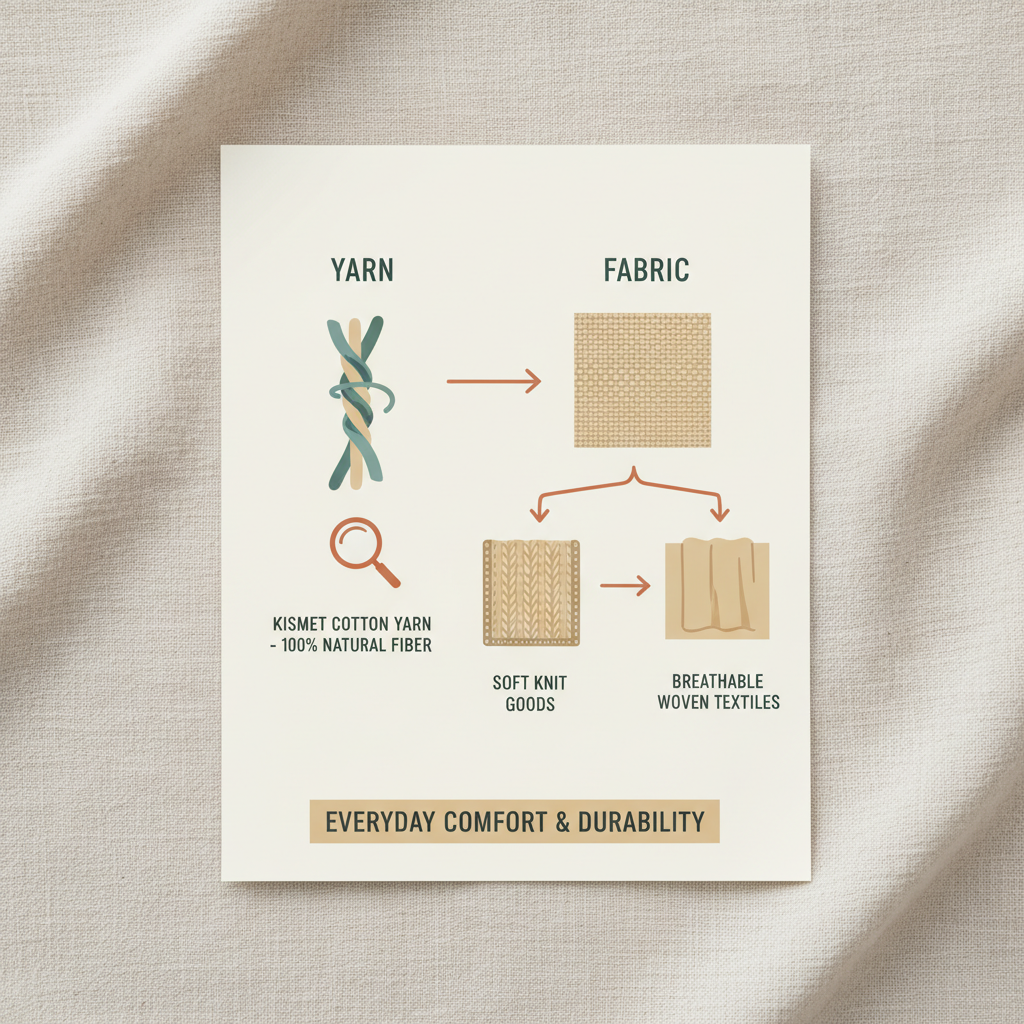
At its core, cotton polyester yarn is a hybrid textile fiber made by spinning together cotton fibers and polyester filaments. This yarn combines the natural softness, breathability, and moisture-absorbent qualities of cotton with the strength, wrinkle resistance, and quick-drying nature of polyester.
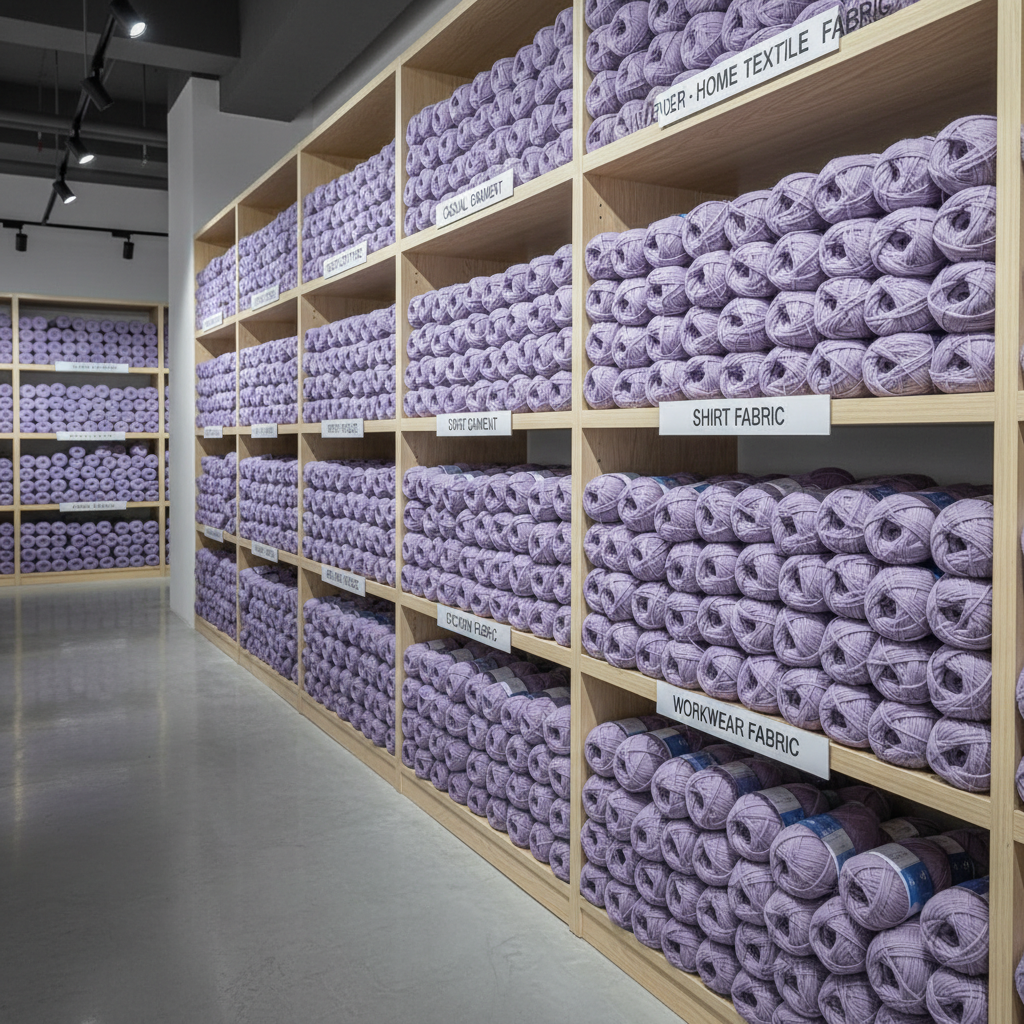
It’s a staple of modern textile production, showing up in everything from casual wear and work uniforms to industrial fabrics and home furnishings. Interestingly, it also plays a role in humanitarian relief, where durable, affordable fabrics are necessary to produce tents, blankets, and other essentials.
Key Characteristics of Cotton Polyester Yarn
1. Durability
The integration of polyester significantly enhances the fiber’s tensile strength. This means fabrics last longer under regular stress — which is handy for workwear or upholstery that sees daily heavy use.
2. Comfort and Breathability
Thanks to cotton’s fiber properties, clothing made from this yarn tends to be more comfortable and breathable than pure polyester, making it popular for everyday and sportswear.
3. Cost Efficiency
Polyester is comparatively cheaper to produce than cotton and less resource-intensive in terms of water and land use. So the blend offers a more affordable solution without sacrificing too much quality.
4. Easy Care and Maintenance
Polyester’s wrinkle resistance and quick-drying nature mean garments and textiles made from this blend typically require less ironing and dry faster — a practical benefit in both homes and industry.
5. Sustainability Considerations
While cotton is renewable, polyester is petroleum-based. However, advances in recycled polyester and organic cotton are helping mitigate environmental impacts, making cotton polyester yarn more sustainable than you might initially think.
Specifications of a Typical Cotton Polyester Yarn
| Specification | Details |
|---|---|
| Fiber Composition | Typically 65% Polyester / 35% Cotton |
| Yarn Count | 20/1 to 40/1 Ne (cotton count) |
| Tensile Strength | Medium to High; 500-650 cN/tex |
| Moisture Regain | Around 4-6% (higher than pure polyester) |
| Applications | Apparel, upholstery, industrial textiles |
Mini takeaway: Cotton polyester yarn strikes a careful balance — sporting enough polyester to boost strength and enough cotton to keep things soft and breathable.
Global Applications & Use Cases of Cotton Polyester Yarn
From everyday garments to heavy-duty industrial applications, cotton polyester yarn finds homes worldwide. In Asia, fabric mills crank out massive volumes for export markets making textiles that range from casual T-shirts to high-performance uniforms.
In Europe and North America, blended fabrics often find use in home furnishing – things like curtains, upholstery, and linens that must endure daily wear and tear but remain cozy and attractive. Even in regions facing natural disasters — take South Asia or sub-Saharan Africa — cotton polyester blends are used for relief shelters, thanks to their durability and relatively low cost.
As you might guess, this fabric also shines in sportswear and active apparel sectors because it combines breathability with strong moisture-wicking capabilities brought by polyester. Around the world, large garment manufacturers and global brands rely heavily on this yarn.
Vendor Comparison: Popular Cotton Polyester Yarn Providers
| Vendor | Fiber Blend | Price Range (per kg) | Lead Time | Sustainability Notes |
|---|---|---|---|---|
| FiberPro Textiles | 65% Polyester / 35% Organic Cotton | $2.20 – $2.60 | 2-3 weeks | Recycled polyester use |
| Changshan Fabrics | 70% Polyester / 30% Cotton | $1.80 – $2.10 | 1-2 weeks | Energy-efficient mills |
| Global Yarn Co. | 60% Polyester / 40% Cotton | $2.00 – $2.40 | 3-4 weeks | ISO 14001 certified |
Cotton polyester yarn suppliers like Changshan Fabrics continue to innovate around sustainability and price, helping manufacturers respond to shifting global demands.
Advantages and Long-Term Value of Cotton Polyester Yarn
The blend has a few standout benefits that make it a common choice across industries:
- Cost-effectiveness: It’s cheaper than pure cotton with comparable comfort.
- Performance: Offers wrinkle resistance, maintains color, and dries fast.
- Sustainability potential: With recycled polyester and organic cotton, environmental footprint improves steadily.
- Social impact: Durable textiles improve safety and dignity in humanitarian contexts.
Emotional appeal, too — there’s something reassuring about a fabric that “works hard” but still feels nice on the skin, don’t you think? It’s the dependable workhorse of fibers.
Looking Ahead: Future Trends in Cotton Polyester Yarn
Technology is racing ahead. Nano-finishing treatments promise antimicrobial and UV-protective textiles from the same yarn. On the production side, automation and smart factory setups are streamlining quality control, reducing waste.
Meanwhile, the drive toward circular fashion means recycled cotton polyester blends could become the norm, tackling microplastic pollution worries related to polyester fibers. Government policies in garment-exporting countries like India and Bangladesh increasingly align with sustainable manufacturing, bolstering the innovation ecosystem.
Challenges & Expert Solutions
Of course, no fabric is without downsides. Polyester’s polyester origin raises concerns about microplastic shedding during washing — a growing environmental headache. Balancing the cotton to polyester ratio to optimize both comfort and durability can also be tricky.
Innovations like enzymatic treatment to reduce microfibers, closed-loop recycling systems, and improved blending machines help tackle these challenges. Industry experts suggest that continuous R&D and collaboration between textile mills and sustainability bodies are key.
FAQ: Your Questions About Cotton Polyester Yarn Answered
- Q1: What are the main benefits of cotton polyester yarn compared to 100% cotton?
- A1: Cotton polyester blends combine cotton’s breathability with polyester’s durability and wrinkle resistance. This results in fabrics that cost less, dry faster, and last longer than pure cotton, making them ideal for many applications.
- Q2: Is cotton polyester yarn eco-friendly?
- A2: It depends. While cotton is natural and biodegradable, polyester comes from petroleum. However, the rise of recycled polyester and organic cotton is making blended yarns more environmentally sustainable overall.
- Q3: Where is cotton polyester yarn commonly used?
- A3: You’ll find it in clothing (casual wear, uniforms, sportswear), home textiles (upholstery, linens), and even industrial fabrics like tents and protective gear.
- Q4: How can manufacturers ensure quality in cotton polyester yarn?
- A4: Quality depends on fiber ratios, spinning technology, and finishing techniques. Certifications like ISO standards help guarantee consistent performance.
- Q5: Can cotton polyester yarn be recycled?
- A5: Recycling blended fibers is more complex than pure materials, but advances in chemical recycling and mechanical separation are making it increasingly feasible.
Conclusion: Why Cotton Polyester Yarn Still Matters
In real terms, the cotton polyester yarn blend is a linchpin of modern textiles — delivering functional, affordable, and increasingly sustainable fabrics. Whether you’re a manufacturer, designer, or just someone curious about what goes into your clothes, it’s worth appreciating this unsung hero of material science.
For those interested in quality cotton polyester yarn, visit our website to explore options tailored to your needs.
Oddly enough, sometimes the best things come from blending the old with the new, don’t they?
References:
Post time: Dec . 03, 2025 19:26



 Skin-friendly
 Versatile
 Durable
 Assured
