
Polyester Cotton Yarn is a key solution in the industry, specifically within textile manufacturing and industrial fabric sectors. This article explores how
https://www.changshanfabric.com supports professionals with durable, high-performance products, and explains why this product is an ideal choice for businesses in these sectors.
Table of Contents
- Polyester Cotton Yarn Overview
- Benefits & Use Cases of Polyester Cotton Yarn
- Cost, Maintenance & User Experience
- Sustainability & Market Trends
Polyester Cotton Yarn Overview
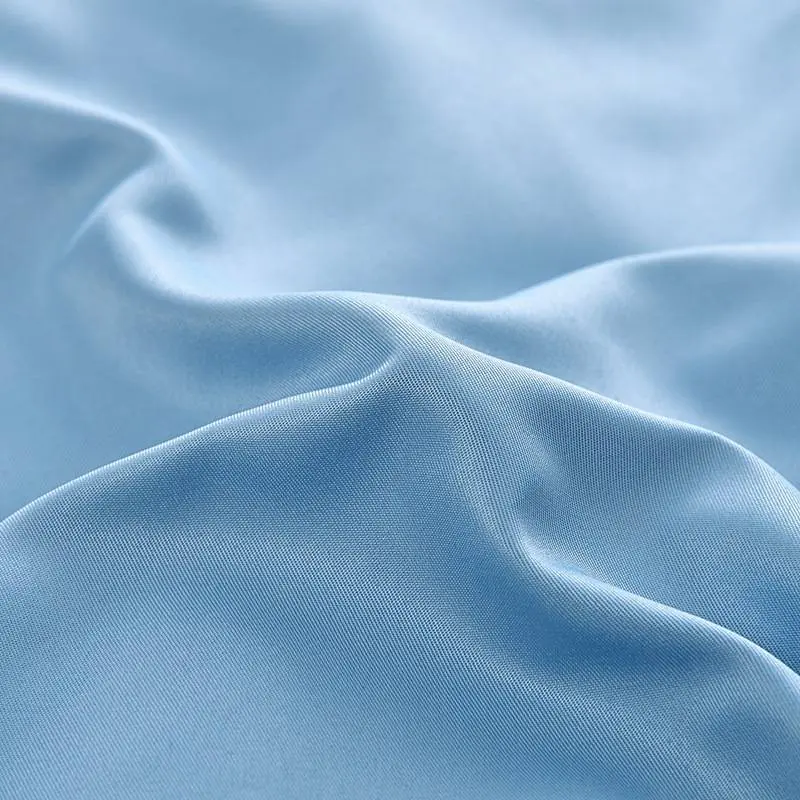
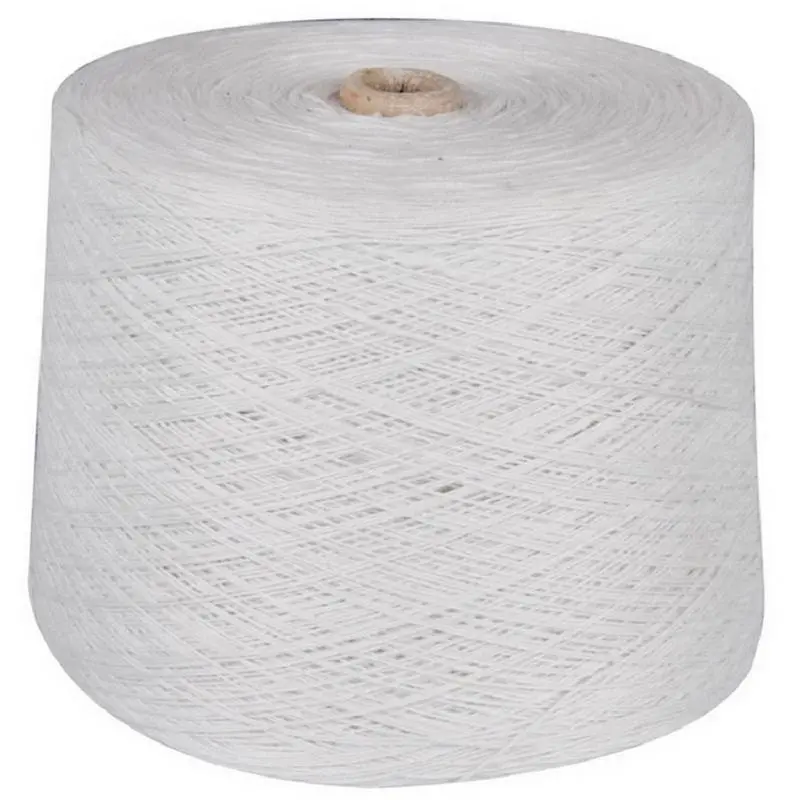
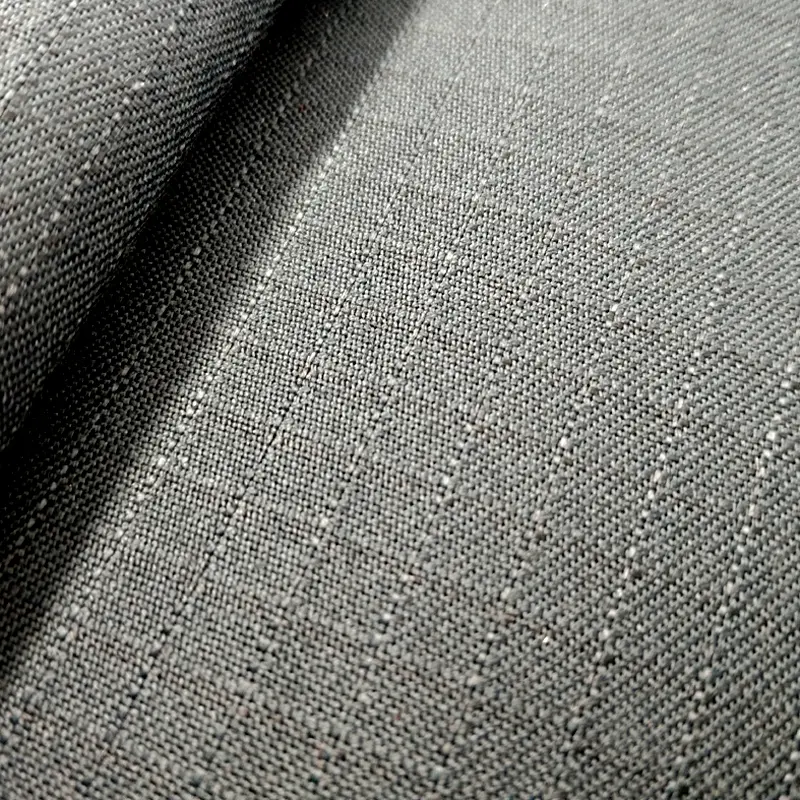
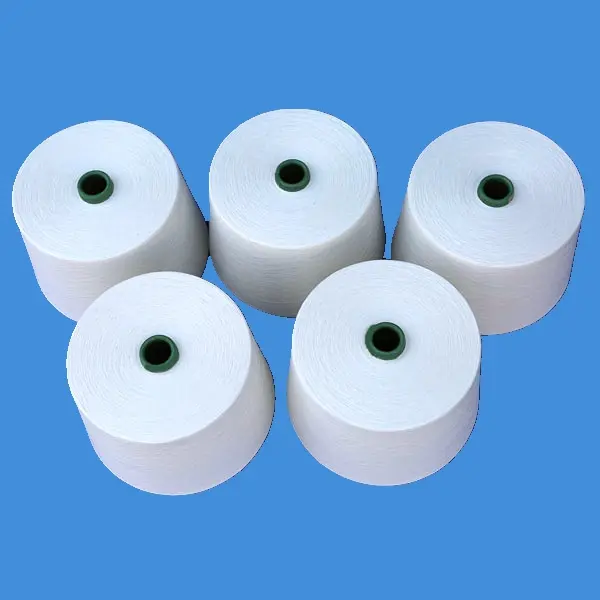
Polyester Cotton Yarn is essentially a blended yarn made from polyester and cotton fibers, combining the strengths of both materials. In real terms, this fusion offers the breathability and softness of cotton with the durability and wrinkle resistance of polyester. Frankly, it’s like getting the best of both worlds, which is why it’s incredibly popular in the textile industries serving uniforms, bedding, and apparel production. Technically, the typical blend ratio ranges from 65% polyester to 35% cotton, although variations exist based on end-use requirements.
Changshan Fabric, available at https://www.changshanfabric.com, employs advanced spinning technologies ensuring consistent yarn strength and uniformity. Their products undergo rigorous testing for tensile strength, elongation, and color fastness—which is crucial for industrial applications. A case study with a garment manufacturer showed a 20% increase in fabric durability versus regular cotton yarn.
| Specification | Details |
|---|---|
| Fiber Composition | 65% Polyester / 35% Cotton |
| Yarn Count | 16s to 30s (varies) |
| Tensile Strength | > 31 CN/tex |
| Elongation at Break | 12-15% |
| Color Fastness | Grade 4-5 (wash and rub) |
Benefits & Use Cases of Polyester Cotton Yarn
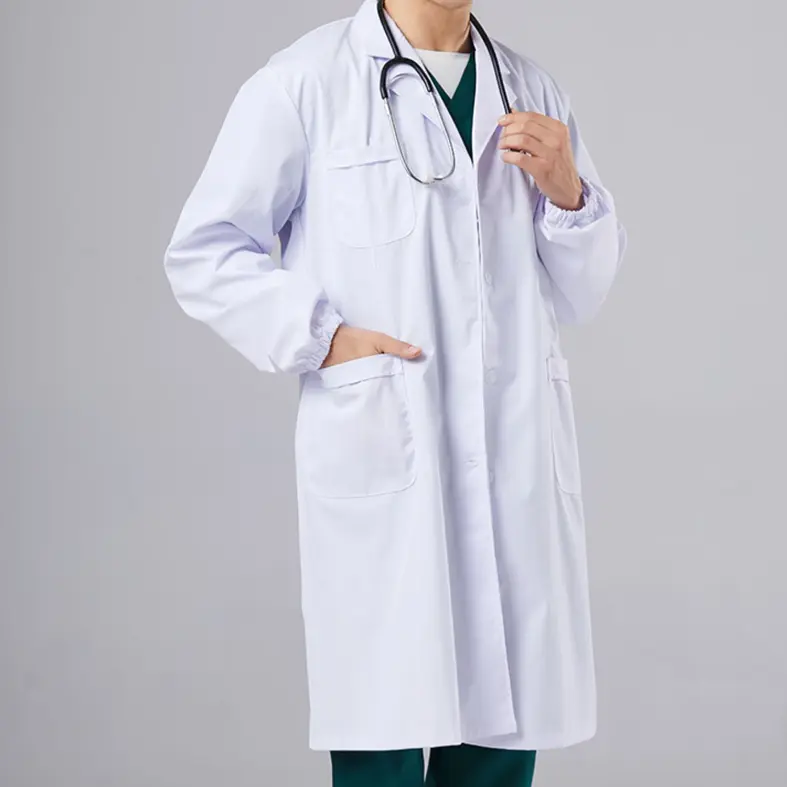
In real-world applications, Polyester Cotton Yarn plays a vital role across a host of industrial uses. From corporate uniforms in hospitality and healthcare to school uniforms and workwear, its balance of comfort and toughness is invaluable. Many B2B decision makers appreciate how the yarn resists shrinking and fading better than pure cotton, which means garments maintain their appearance — an important factor when brand image and reliability are on the line.
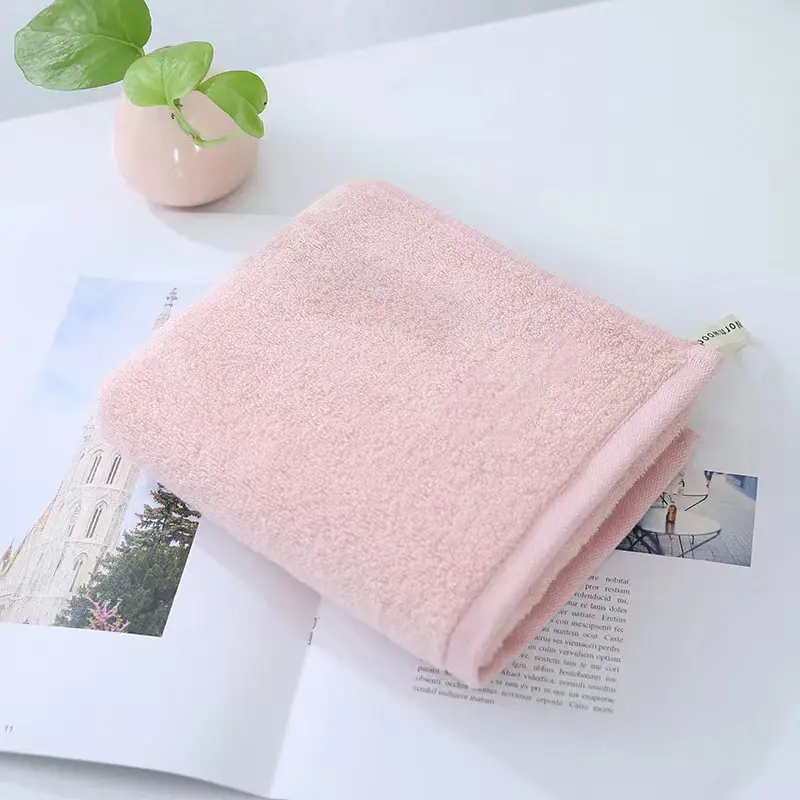
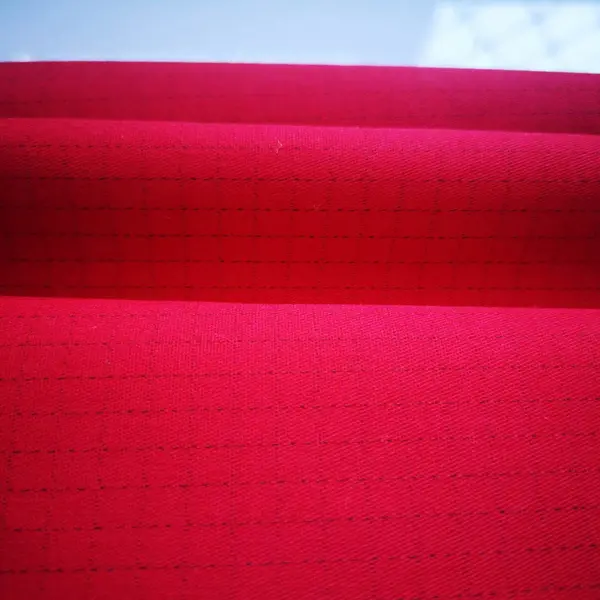
Additionally, Polyester Cotton Yarn is favored for bed linens, upholstery, and even technical textiles, where resisting wear and tear under heavy use is crucial. The yarn’s adaptability means it can be customized with various finishes — flame retardant, antimicrobial treatments, you name it. That flexibility is somewhat rare, frankly, and it gives end users a competitive edge.
| Feature | Advantage |
|---|---|
| Durability | Resists abrasion & pilling |
| Comfort | Breathable and soft against skin |
| Color Retention | Maintains color after multiple washes |
| Cost-Effectiveness | Lower lifecycle costs than pure cotton |
Cost, Maintenance & User Experience
For any B2B decision maker, total cost of ownership often trumps sticker price. Polyester Cotton Yarn stands out in this regard due to its longevity and reduced maintenance requirements. Businesses report fewer product returns and less frequent replacement cycles — which, over time, means a better return on investment. Oddly enough, this often isn’t immediately obvious until after a few production runs.
Customers in uniform production have told me they noticed “significantly less” fading and fabric wear, even after harsh industrial laundering. Plus, the fact that polyester content reduces drying time shrinks utility costs in commercial laundries. All-in-all, user feedback strongly leans towards satisfaction with fabric performance—and that says a lot in a demanding environment.
| Vendor | Average Price (per kg) | Delivery Time | Product Warranty |
|---|---|---|---|
| Changshan Fabric | $4.80 | 7-10 days | 12 months |
| Vendor B | $5.10 | 10-14 days | 6 months |
| Vendor C | $4.70 | 14-20 days | No warranty |
Sustainability & Market Trends
Sustainability is more than a buzzword now; it’s a business imperative. Polyester Cotton Yarn, thanks to its blended nature, presents both opportunities and challenges. On one hand, polyester is derived from petrochemicals, but Changshan Fabric is actively involved in expanding recycled polyester yarn offerings—helping reduce environmental impact. On the other hand, the cotton component is increasingly sourced from better-managed farms, aligning with global sustainability standards.
Market trends show growing demand for yarns that meet eco-certifications and offer improved lifecycle analyses. Businesses investing in these materials benefit both from consumer goodwill and compliance with tightening regulations worldwide. Given China’s role as a major supplier, companies like Changshan Fabric are well positioned to lead the charge. Oddly enough, investing in sustainable yarn blends isn’t just “green”—it’s smart economics showing up in rising ROI figures.
Frequently Asked Questions about Polyester Cotton Yarn
- What is Polyester Cotton Yarn and how does it work?
-
Polyester Cotton Yarn is a blended textile yarn made by spinning polyester and cotton fibers together, combining the durability and easy-care of polyester with the comfort and breathability of cotton. This blend improves the fabric’s resistance to wrinkles, shrinking, and abrasion—
making it ideal for industrial and apparel applications. - What are the main benefits of using Polyester Cotton Yarn in industrial applications?
- Key advantages include enhanced durability, reduced maintenance needs, better color retention after repeated washes, and cost savings over the product life cycle. The yarn also adapts well to finishing treatments, allowing for specialized performance like flame retardancy, which many industries require.
- How does Polyester Cotton Yarn compare to traditional alternatives?
- Compared to pure cotton or pure polyester yarn, the blended yarn offers a balance—improved comfort compared to straight polyester, and greater strength and longevity than pure cotton. Technological improvements in fiber processing also deliver more uniformity and performance consistency than older yarn blends.
- What industries can benefit most from Polyester Cotton Yarn implementation?
- Primary sectors include textile manufacturing for workwear, hospitality uniforms, healthcare garments, home furnishing fabrics, and technical textiles that require both durability and comfort. Many manufacturers report significant improvements in product lifecycle and user satisfaction after switching to polyester cotton blends.
Conclusion on Polyester Cotton Yarn from china
To sum it up, Polyester Cotton Yarn is a versatile, cost-effective, and performance-driven product that meets many modern industry demands. Its blend of polyester and cotton provides enhanced durability without sacrificing comfort—a balance that frankly feels essential in today’s competitive manufacturing landscape. For those looking to source reliable high-quality yarns,
Changshan Fabric stands out as a trusted supplier offering competitive pricing, assured quality, and continuous innovation.
- Recap the value of Polyester Cotton Yarn.
- Visit our website: https://www.changshanfabric.com
Oddly enough, investing in quality yarn blends from reputable suppliers can quietly transform your product lines and elevate customer satisfaction like you wouldn’t expect at first glance.
- Changshan Fabric Technical Specifications Sheet, 2023.
- Industrial Textile Performance Review, Journal of Fabric Science, 2022.
- Sustainability Trends in Textile Manufacturing, Green Textile Insights, 2024.
Post time: Dec . 03, 2025 19:48


 Skin-friendly
 Versatile
 Durable
 Assured
