Understanding Roving Yarn: The Unsung Hero of Textile Industries
Roving yarn — sounds like one of those technical terms you overhear at textile mills but might not fully grasp. Yet, it quietly plays a vital role in industries worldwide. At its core, roving yarn is a slightly twisted, thick strand of fibers, often the bridge between raw fiber and fine yarn. But why does it matter, globally? Simply put, roving yarn is fundamental to textile manufacturing, that has ripple effects affecting everything from fashion floors in Milan to emergency shelters in disaster-hit zones.
Getting to know roving yarn better isn’t just for industry insiders; it can illuminate how the fabric we interact with every day comes to life. Whether you’re curious about sustainable sourcing or curious how innovation in fiber processing can change global supply chains, understanding roving yarn opens doors.
Global Context: Why Roving Yarn Still Matters Today
According to the United Nations Industrial Development Organization (UNIDO), the textile sector contributes roughly 2% to global GDP and employs over 60 million people worldwide. At the heart of this sector lies spinning techniques — with roving yarn playing an integral role. The demand for affordable, reliable textile materials is surging, especially in developing economies where garment production is booming.
However, challenges like supply chain disruptions, raw material scarcity, and environmental concerns push manufacturers to innovate in how roving yarn is produced and utilized. For example, increasing awareness about sustainable textiles has led to breakthroughs that affect fiber selection and roving methods.
Simply put, the story of roving yarn is closely tied to global economic development, labor markets, and environmental impact.
Mini takeaway: Roving yarn’s status as a pivotal textile ingredient means it’s closely linked with global economic trends and sustainability drives.
What Exactly Is Roving Yarn?
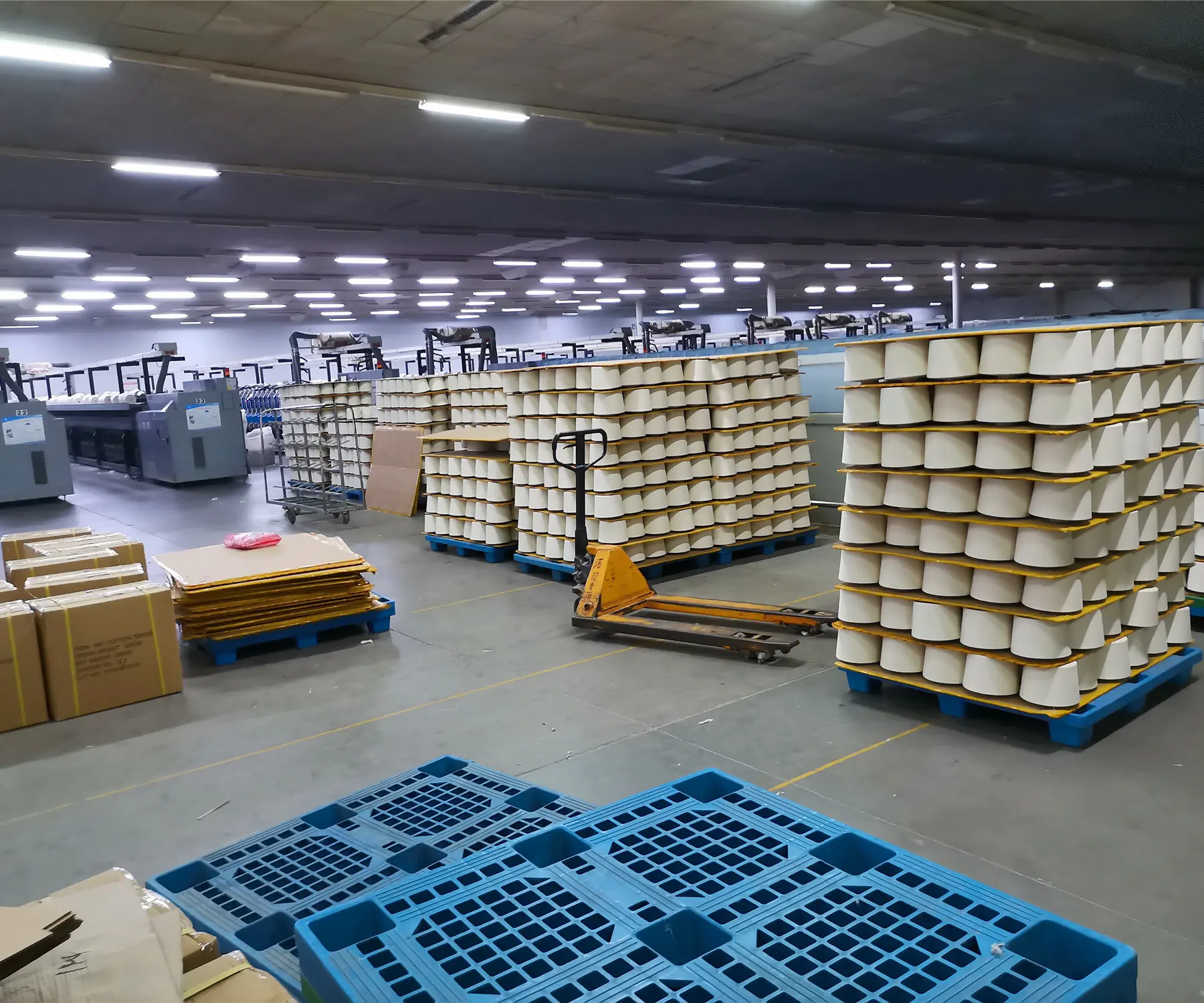
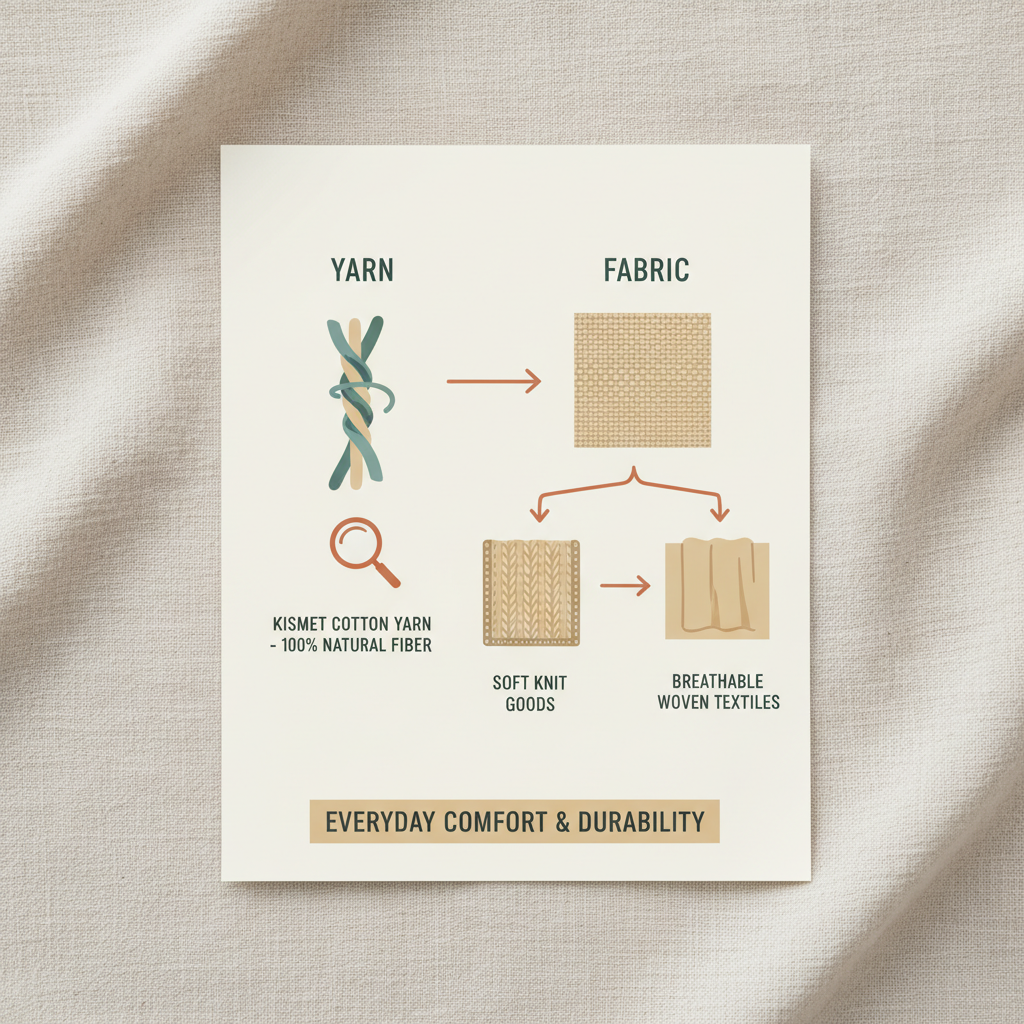
At its simplest, roving yarn is a bundle of fibers that have been carded and slightly twisted to form a thick, soft strand. Think of it as the “middle child” in yarn production — it's finer than loose fiber but not as tightly spun as finished yarn or thread.
This intermediate strand is easier to handle in downstream processes and provides consistent thickness, essential for producing high-quality final textiles. In humanitarian contexts, such fine control translates to more effective shelter fabrics or filtration materials.
Roving yarn is often made from cotton, wool, polyester, or blends — each chosen for specific end uses, durability, or texture.
Mini takeaway: Roving yarn forms the bridge between raw fiber and finished products, critical for textile quality and functionality.
Key Aspects of Roving Yarn You Should Know
1. Durability & Strength
Roving yarn provides initial tensile strength and uniformity, preparing fibers for final spinning. The subtle twist helps hold fibers together without compromising softness, making it an essential base for sturdy yet flexible textiles, widely used in apparel and industrial fabrics.
2. Scalability of Production
Modern machinery allows for efficient roving at scale, accommodating different fiber types. The process’s adaptability means factories from large textile hubs in India to remote production sites can customize roving yarn to diverse demands.
3. Cost Efficiency
Because roving requires less twisting than finished yarn, it saves energy and processing time. Manufacturers can balance the cost-quality curve better, resulting in more affordable end products — an important point for fast fashion and mass-produced textiles.
4. Fiber Compatibility
Whether natural fibers (like cotton or flax) or synthetics (like polyester), roving yarn methods adjust to fiber length, thickness, and texture. This flexibility enhances the usability across different textile applications.
5. Environmental Impact
Advanced roving technology increasingly integrates eco-friendly fibers and less resource-intensive processing techniques. It’s a small but significant step toward reducing the textile industry’s huge water and carbon footprint.
6. Quality Control & Consistency
Maintaining uniform roving yarn thickness prevents defects down the line. Tight quality controls avoid weak spots that might cause breakage or fabric flaws, important in sectors from fashion to technical textiles.
Mini takeaway: Roving yarn balances strength, cost, adaptability, and environmental impact — a neat package that supports diverse textile needs.
Global Applications of Roving Yarn
Roving yarn finds itself at the heart of many industries worldwide:
- Garment Manufacturing — Where smooth spinning is key to creating fine apparel yarns.
- Home Textiles — Curtains, upholstery, and carpets that need durability and aesthetic appeal.
- Industrial Uses — Ropes, nets, and filters requiring specific strength and resilience.
- Emergency Relief Materials — NGOs source roving yarn-based fabrics for emergency tents and blankets, especially in disaster-prone regions like Southeast Asia.
- Automotive & Aerospace — Advanced composites integrate roving yarn for tough yet lightweight materials.
Several regions like South Asia, China, and Eastern Europe have become roving yarn manufacturing hotspots due to expertise and low labor costs. Meanwhile, increasing demand in Africa and Latin America reflects expanding textile industry investments.
Mini takeaway: Roving yarn’s varied applications and international presence make it a truly global commodity with far-reaching effects.
Product Specification Table
| Specification | Typical Range | Notes |
|---|---|---|
| Fiber Types | Cotton, Polyester, Wool, Blends | Varies with end product |
| Twist Level | 0.2 - 1.0 twists per inch | Low twist maintains softness |
| Linear Density | 5 - 20 tex | Depends on fiber and process |
| Moisture Content | 6% - 12% | Controls process stability |
| Production Speed | up to 300 m/min | Machine dependent |
Comparing Leading Roving Yarn Vendors
| Vendor | Fiber Types | Price Range (per kg) | Sustainability Rating | Market Reach |
|---|---|---|---|---|
| Changshan Fabric Co. | Cotton, Polyester, Blended | $4.50 - $7.00 | ★★★★☆ | Global (Asia, Europe, Americas) |
| FiberTech Solutions | Wool, Synthetic Blends | $5.00 - $8.20 | ★★★☆☆ | Europe, North America |
| Global Roving Ltd. | Cotton, Hemp, Recycled Fibers | $4.80 - $7.50 | ★★★★★ | Global (Focus on Sustainability) |
Advantages & Lasting Value of Roving Yarn
The value of roving yarn extends beyond the production line. Cost efficiency allows companies to pass savings along to consumers, but there’s more — eco-conscious brands appreciate how advances in roving reduce waste and water use. Many engineers I chatted with emphasize that good roving yarn is the first step toward quality — and quality engenders trust for brands.
On a human level, you could say roving yarn contributes to dignity — whether in a warm winter coat or a refugee tent that withstands harsh weather. Knowing these threads bind more than just fabric is oddly reassuring.
Mini takeaway: Roving yarn blends practical benefits with sustainability and social impact, making it a cornerstone of responsible textile manufacturing.
Emerging Trends & Innovations in Roving Yarn
Looking forward, the industry is buzzing about digital spinning technologies that use AI to optimize roving thickness in real-time, reducing waste. Meanwhile, green chemistry has introduced less-toxic fiber processing methods.
Sustainability is pushing manufacturers toward recycled fibers and biodegradable blends at the roving stage. Automation also promises to streamline quality checks.
In short, roving yarn manufacturing is quietly evolving to meet 21st-century demands.
Challenges in Roving Yarn Production & Expert Solutions
Producing consistent roving yarn is not without its hurdles. Variability in fiber quality, machinery maintenance, and balancing softness with strength all require careful management. Raw material price volatility adds to complexity.
Experts suggest integrating inline quality control devices and diversifying fiber sources as smart strategies. Partnering with vendors who prioritize R&D also helps future-proof production.
Frequently Asked Questions about Roving Yarn
1. What exactly makes roving yarn different from finished yarn?
Roving yarn is an intermediate stage — it’s a sliver of fiber that’s slightly twisted but not yet fully spun like finished yarn. This makes it softer and easier to handle before final processing.
2. How long does the roving yarn production process take?
The timeline varies by machinery and volumes, but typically roving preparation is swift, taking minutes to an hour depending on production scale. Modern machines can run at speeds up to 300 meters per minute.
3. Is roving yarn sustainable?
Yes, especially when made from eco-friendly fibers or recycled materials. New processes reduce energy and water use, aligning roving yarn production with sustainability goals.
4. Can roving yarn be customized for different industries?
Absolutely. Adjusting fiber type, twist, and density allows manufacturers to tailor roving yarn to everything from apparel fabrics to industrial filters and composite materials.
5. How does fiber type affect roving yarn quality?
Different fibers have unique characteristics like length and strength. Longer fibers often produce smoother, stronger roving yarns. The right fiber choice depends on the final product needs.
Final Thoughts & Next Steps
To wrap up, roving yarn is much more than a fuzzy intermediate product — it’s an essential factor shaping textile quality, sustainability, and economic viability worldwide. Whether you’re a manufacturer, designer, or just curious, appreciating the nuances of roving yarn adds depth to our understanding of fabrics around us.
If you want to explore quality roving yarn options tailored for diverse applications, I recommend visiting Changshan Fabric’s website for detailed specs and industry insights. The future of textiles might just start here...
References
Post time: Dec . 02, 2025 17:10


 Skin-friendly
 Versatile
 Durable
 Assured
