

Understanding the ring spun yarn structure in Industrial Equipment
Having spent a fair share of my career knee-deep in the industrial textile sector, I come to appreciate the nuanced beauty of ring spun yarn structure. It always strikes me how this seemingly simple process profoundly influences the quality and performance of fabrics — and frankly, it’s not just about the yarn itself but the whole story behind its creation.
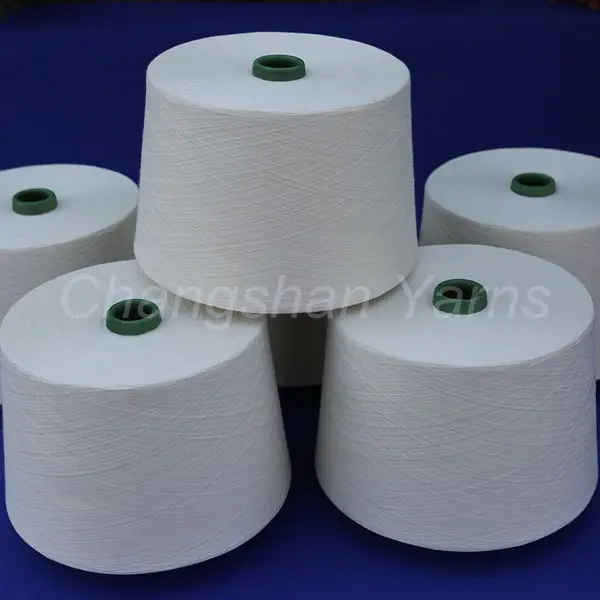
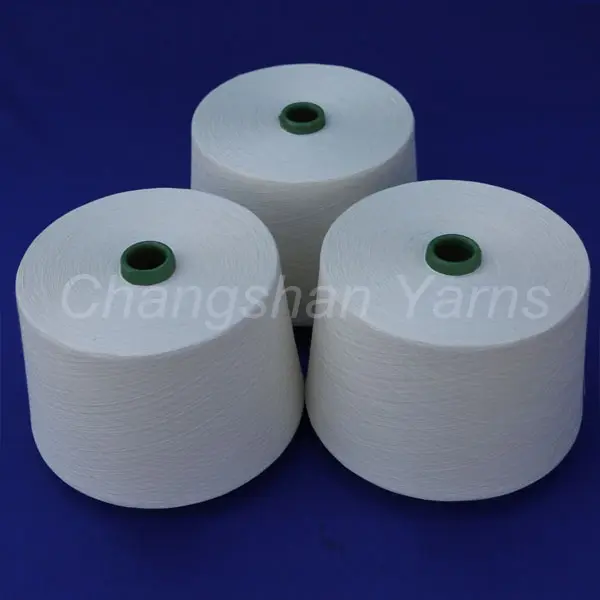
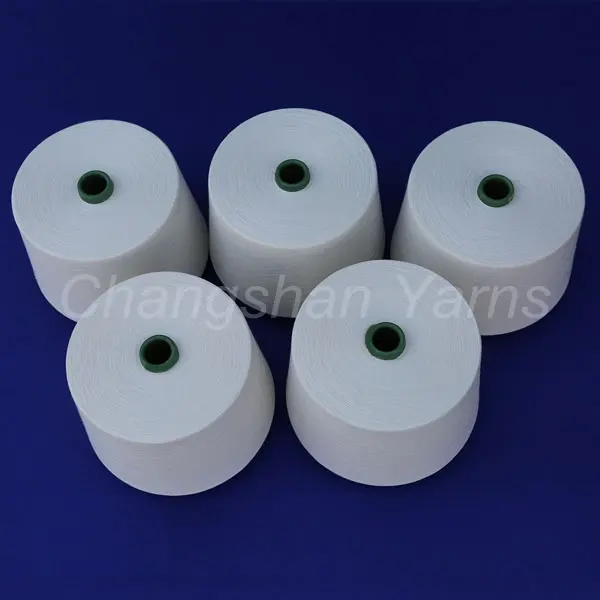
First off, ring spinning is one of those classic methods that manufacturers can’t quite escape — it just keeps proving its reliability over time. The process involves twisting and thinning the fiber strands into yarn using a spinning ring and traveler, a technique that dates back over a century but remains highly relevant with today’s technical tweaks. Oddly enough, while newer spinning methods have popped up, ring spinning holds strong because of the superior strength and softness it imparts to the yarn.
From an industrial perspective, the ring spun yarn’s structure means more durability and fewer snags in later fabric handling stages. I recall a project where switching to ring spun yarn reduced end breakages considerably — that was a big win on the production floor. Plus, the texture it creates gives textiles a smooth yet robust hand feel, perfect for everything from apparel to home textiles and industrial cloth.
Product specifications of typical ring spun yarn
| Specification | Details |
|---|---|
| Fiber Types | Cotton, Polyester, Blends |
| Yarn Count | Ne 10s to 60s (varies by application) |
| Twist per Inch (TPI) | 15-30 (Standard range) |
| Tensile Strength | High, depends on fiber and twist |
| Application | Garments, Upholstery, Industrial Fabrics |
Customization is also a big factor. You might think all ring spun yarns look alike, but manufacturers fine-tune twist levels, fiber blends, and even pre-treatment to suit diverse needs. For example, I’ve seen some clients prioritize a softer yarn feel over tensile strength for luxury clothing lines, while others are laser-focused on durability for automotive textiles.
Vendor Comparison: Leading Ring Spun Yarn Suppliers
| Supplier | Fiber Range | Customization Options | Lead Time | Pricing |
|---|---|---|---|---|
| Changshan Fabric | Cotton, Blends, Polyester | High (twist, count, finishes) | 2-3 weeks | Competitive |
| Supplier B | Mostly cotton | Medium (limited blends) | 3-4 weeks | Moderate |
| Supplier C | Polyester focus | Low (standard specs only) | 1-2 weeks | Higher |
One little anecdote: a repeat customer once told me they switched to ring spun yarn from another type to combat peeling issues in their workwear line. They said the difference was night and day — much less fuzzing and longer-lasting garments. That sort of feedback really underscores why ring spun yarn remains a go-to in so many industries.
Ultimately, when you choose yarn, think beyond just price—you want reliability, consistency, and the right fit for your specific use case. And if you’re in the market, suppliers like Changshan Fabric combine deep technical know-how with practical customization. I suppose that's why many engineers and designers stick to them.
In real terms, understanding the ring spun yarn structure isn’t just about the product itself but appreciating how it integrates into broader production workflows and end-uses. It’s a subtle but crucial layer of industrial textile success.
So yeah, whether you’re just starting to explore or looking to optimize your textile line, the ring spun yarn structure is a pillar worth knowing well.
– An insider’s reflection on yarn that really spins the industry forward.
References:
1. Textiles Industry Quarterly, 2023 Edition
2. “Yarn Manufacturing Processes,” Industrial Fabrics Review, 2021
3. Supplier data and customer feedback, Changshan Fabric (2022-2023)
Post time: Dec . 31, 2025 14:23

 Skin-friendly
 Versatile
 Durable
 Assured
