Understanding Jute Cotton Yarn: A Comprehensive Guide
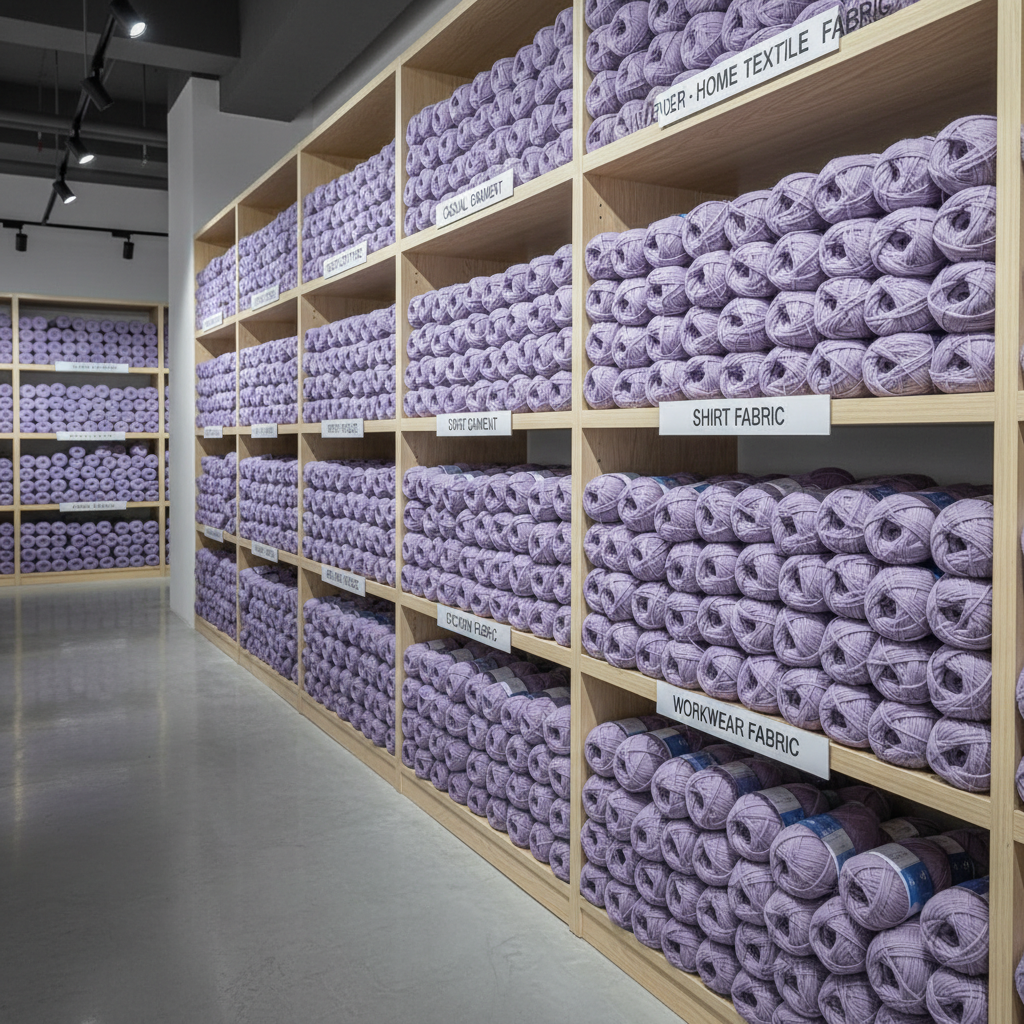
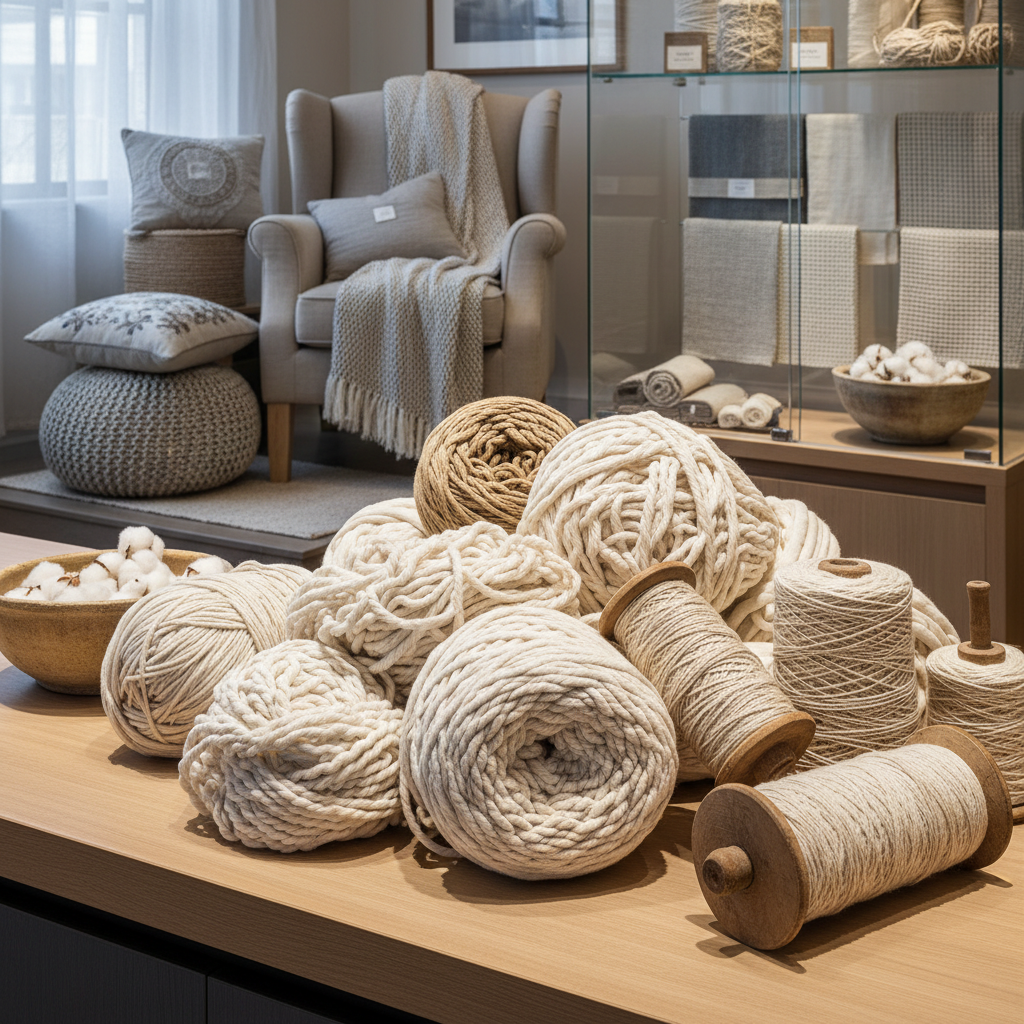
Jute cotton yarn is a versatile textile material gaining popularity for its unique blend of strength, sustainability, and affordability. This yarn combines the robust texture of jute with the softness and workability of cotton, resulting in a product ideal for a wide array of applications, from crafting and home décor to industrial textiles. At Changshan Fabric, we specialize in providing high-quality jute cotton yarn tailored to meet diverse customer needs. This article explores the characteristics, benefits, applications, and considerations when choosing jute cotton yarn.
What is Jute Cotton Yarn?
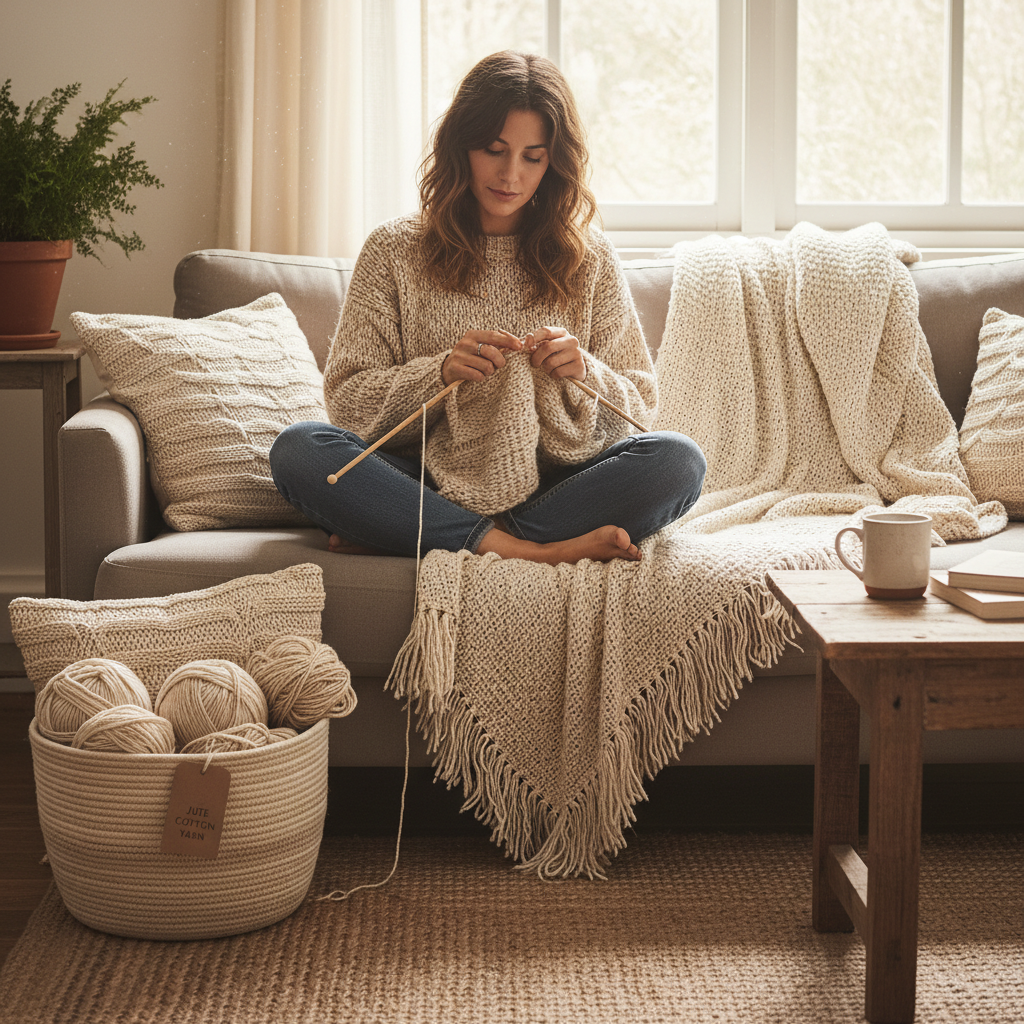
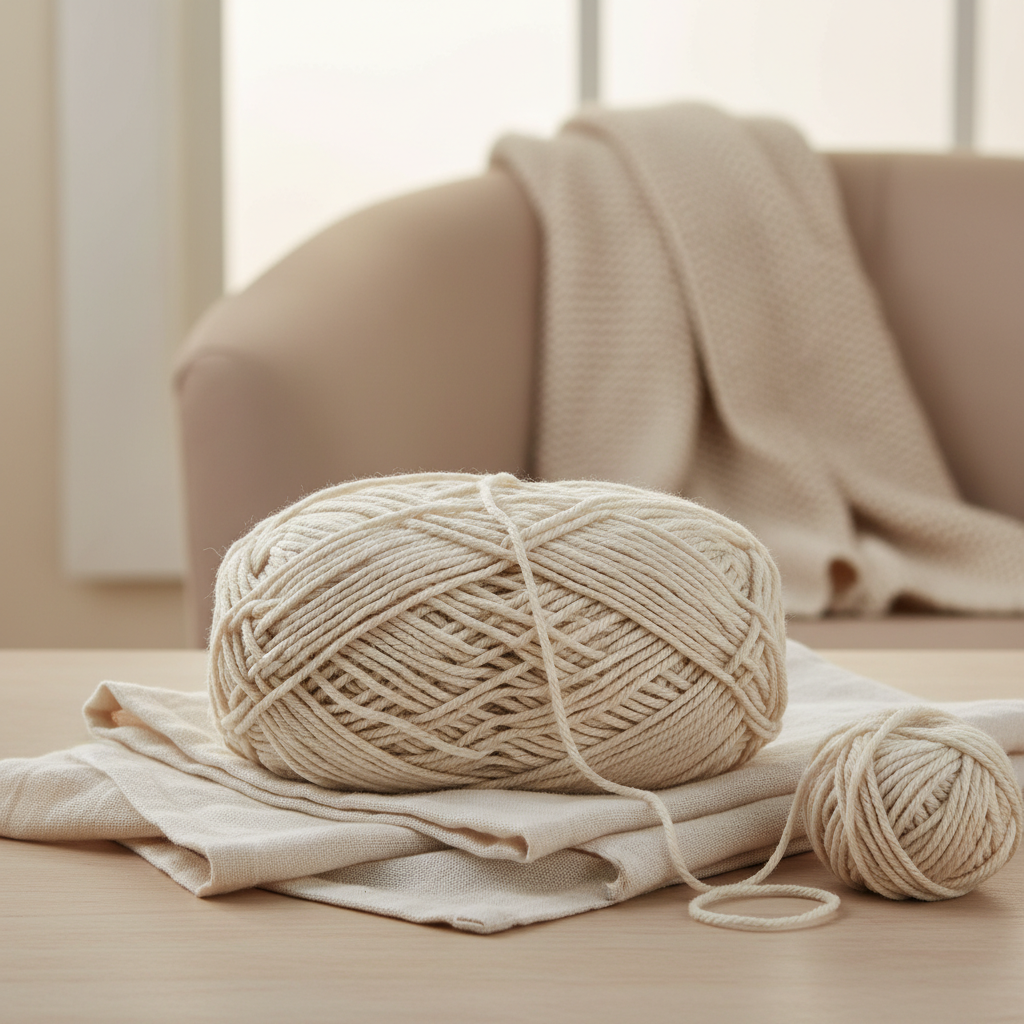
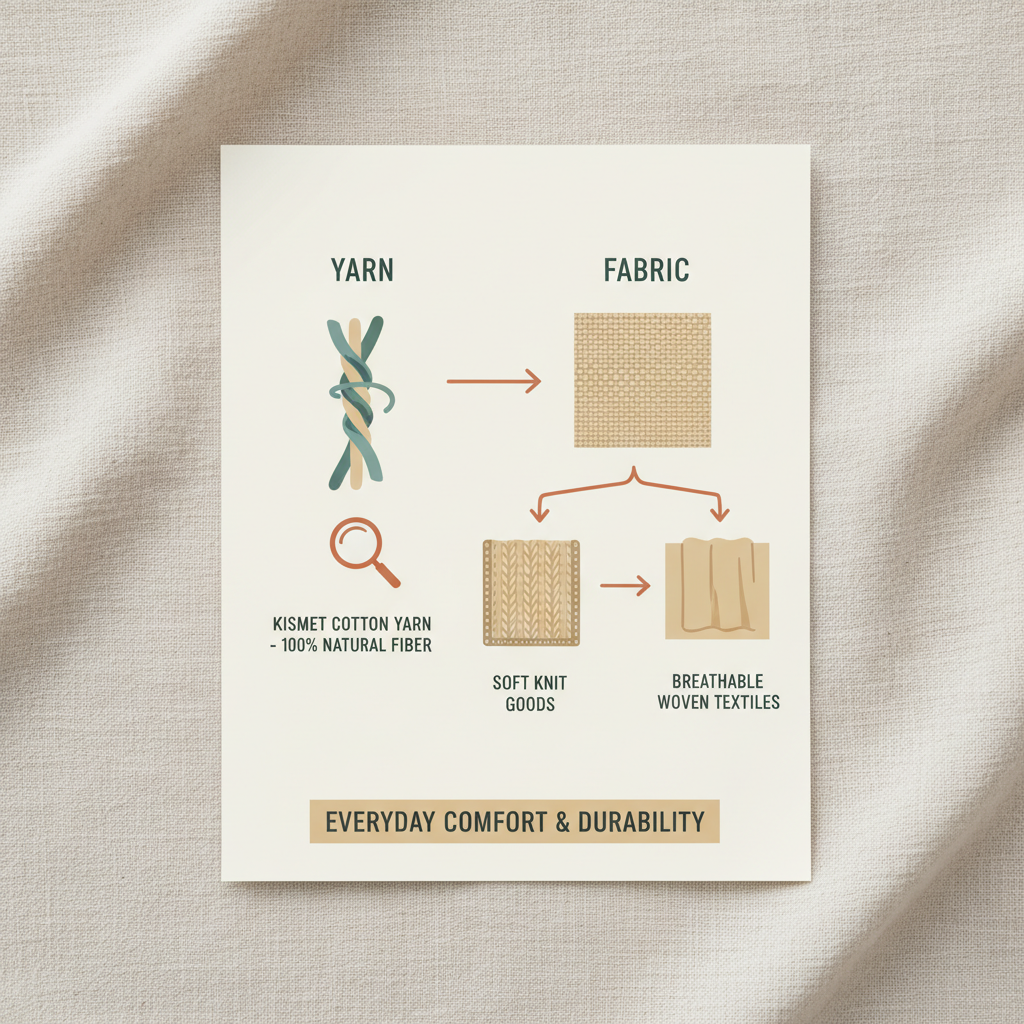
Jute cotton yarn isn't a single thread, but rather a blend of fibers. Jute, a long, coarse, bast fiber, provides strength and texture, while cotton, a soft staple fiber, contributes to comfort and ease of handling. The proportions of jute and cotton can vary, influencing the yarn’s final properties. Typically, blends range from 50/50 to 80/20 (jute/cotton). The resulting yarn offers a cost-effective alternative to 100% cotton or jute, striking a balance between durability and usability. Understanding the blend ratio is key to choosing the right yarn for your specific project.
Key Highlights: Combines the strength of jute with the softness of cotton. Cost-effective, versatile, and ideal for diverse applications.
Benefits of Using Jute Cotton Yarn
Jute cotton yarn offers several advantages. Firstly, it’s highly durable, thanks to the jute fibers. Secondly, it’s relatively affordable compared to 100% cotton. Thirdly, it’s a sustainable option. Jute is a rapidly renewable resource, and using it reduces reliance on synthetic fibers. Finally, the yarn possesses a unique texture that adds character to finished products. This makes it perfect for projects seeking a rustic or natural aesthetic. Our jute cotton yarn is sourced responsibly, ensuring ethical and environmentally conscious production.
Jute Cotton Yarn Advantages:
• High Durability
• Cost-Effective
• Sustainable and Renewable
• Unique Natural Texture
Jute Cotton Yarn Applications
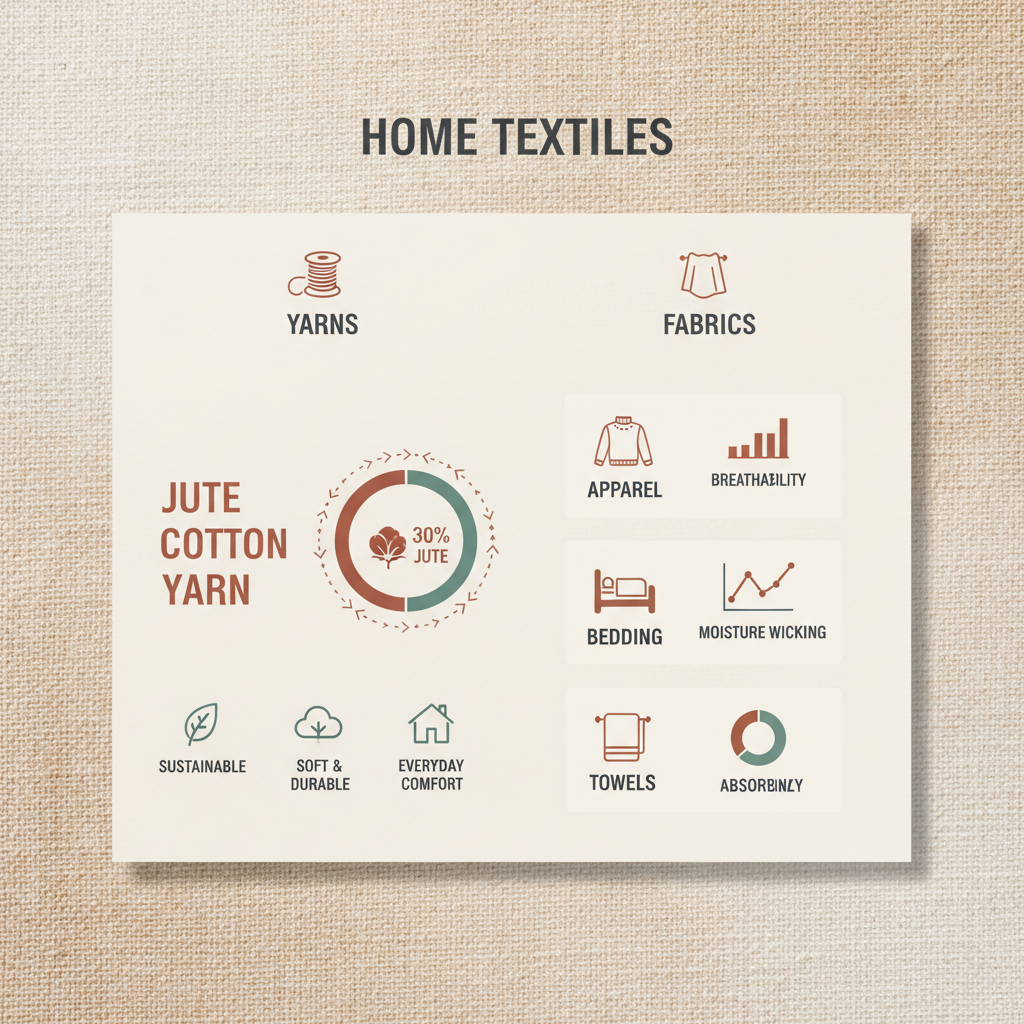
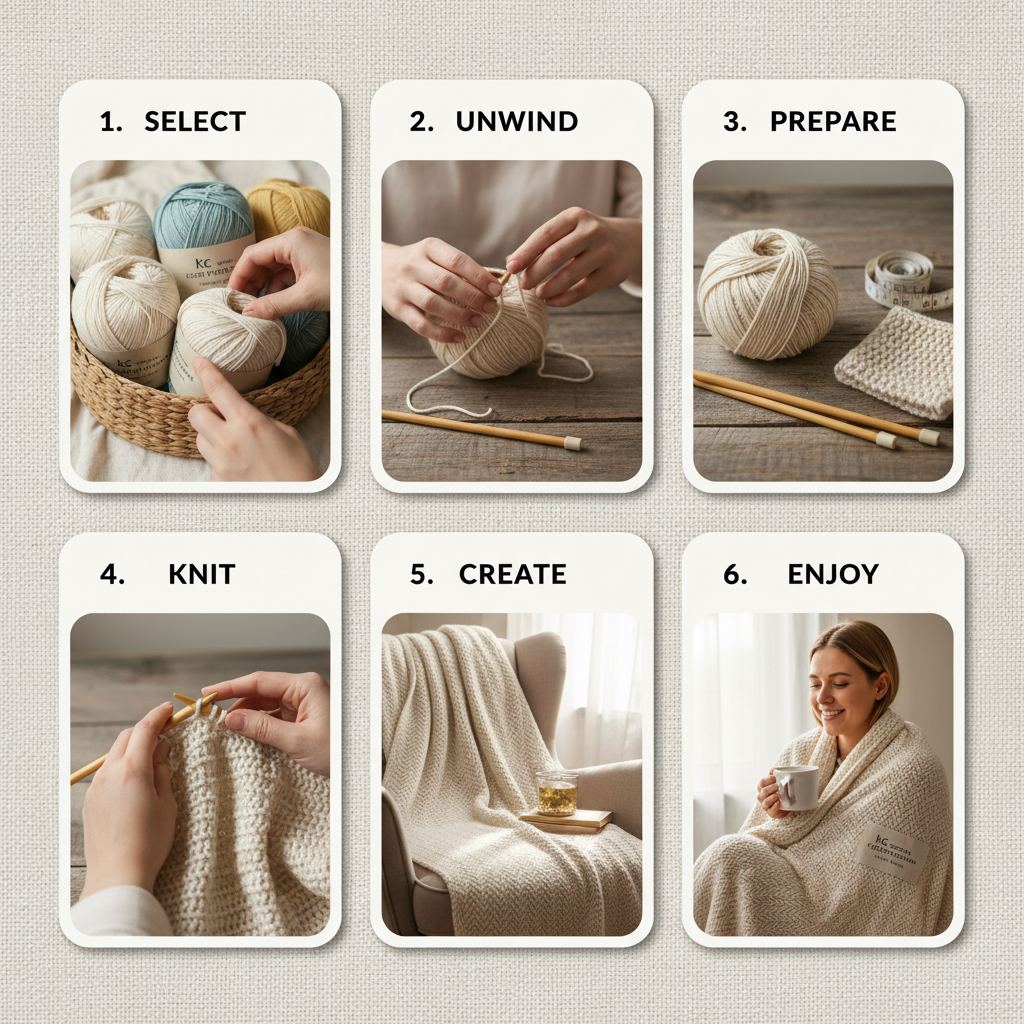
The versatility of jute cotton yarn makes it suitable for a wide range of applications. These include crafting projects like macramé, weaving, and knitting. It’s also frequently used in home décor, such as rugs, wall hangings, and plant holders. Industrially, it finds use in making packaging materials, sacks, and twine. Furthermore, it can be blended with other fibers to create unique textile blends for apparel and upholstery. At Changshan Fabric, we cater to diverse needs, supplying yarn for both artisanal and industrial purposes.
Choosing the Right Jute Cotton Yarn Blend
Selecting the appropriate jute cotton yarn blend is crucial for achieving desired results. A higher jute content (e.g., 80/20) offers greater strength and a more pronounced texture, ideal for robust applications like bags and rugs. A higher cotton content (e.g., 50/50) provides increased softness and workability, better suited for crafts and garments. Consider the project requirements, desired aesthetic, and intended use when making your selection. We at Changshan Fabric offer a variety of blends to cater to diverse needs.
Product Specifications & Sourcing
At Changshan Fabric, our jute cotton yarn is available in various counts and colors. We ensure rigorous quality control throughout the production process, from fiber selection to yarn spinning. We prioritize sustainable sourcing and ethical labor practices. Here's a general overview of specifications:
Conclusion: Choose Changshan Fabric for Quality Jute Cotton Yarn
Investing in high-quality jute cotton yarn from a trusted supplier like Changshan Fabric ensures superior results and sustainable practices. Our commitment to quality, coupled with our diverse range of blends and counts, makes us the ideal partner for your textile needs. Contact us today to explore our offerings and discuss your project requirements.
Frequently Asked Questions (FAQs)
What are the environmental benefits of using jute cotton yarn?
Jute is a highly sustainable fiber as it grows rapidly with minimal water and fertilizer requirements. It's also biodegradable, reducing landfill waste. Combining it with cotton offers a more eco-friendly alternative to fully synthetic yarns. By choosing jute cotton yarn, you support responsible agricultural practices and contribute to a lower environmental footprint. It is a renewable resource that doesn't require pesticides or extensive irrigation like other crops, making it a smart choice for environmentally conscious consumers.
How do I care for items made with jute cotton yarn?
Items made with jute cotton yarn generally require gentle care. Hand washing is recommended, using a mild detergent and cool water. Avoid harsh chemicals or bleach. Lay flat to dry, as machine drying can cause shrinkage or damage. For larger items like rugs, spot cleaning is usually sufficient. Regular vacuuming can help remove dust and debris. Proper care will ensure the longevity of your jute cotton creations.
Can jute cotton yarn be dyed?
Yes, jute cotton yarn can be dyed, but it's important to use dyes specifically formulated for cellulose fibers. The jute component may not take color as readily as the cotton, resulting in a slightly heathered or variegated effect. It's recommended to test a small sample before dyeing a larger quantity. Reactive dyes generally provide the best results for both jute and cotton.
What is the difference between jute and hemp yarn?
Both jute and hemp are bast fibers, but they differ in characteristics. Hemp is generally stronger and more durable than jute, with a smoother texture. Jute is more affordable and has a coarser, more rustic appearance. Hemp also requires less water and pesticides to grow, making it even more environmentally friendly. The choice between jute and hemp depends on the specific application and desired properties. Jute cotton blends provide a middle ground, balancing cost, texture, and strength.
Post time: Mar . 24, 2026 02:55


 Skin-friendly
 Versatile
 Durable
 Assured
